

IQVIA Logo
hero bg-3270_young woman scientist in laboratory working

Discovery Sciences

In Vitro Immunology

Leveraging deep expertise in innate and adaptive immunity, our assays answer critical scientific questions while delivering the high-quality data needed for confident decision-making.
Home / Services / Discovery Sciences / In Vitro Immunology Services

The complexity of the immune system presents both opportunities and challenges for drug developers. From autoimmune diseases and chronic inflammation to immuno-oncology and advanced therapeutics, successful programs require robust, translational data that clarifies how drug candidates interact with immune pathways.

Our in vitro immunology services provide integrated solutions to support discovery and preclinical development, combining primary human cell-based assays, functional immune profiling, biomarker analysis and mechanism of action studies. We help pharmaceutical and biotechnology companies generate actionable insights that de-risk development programs, accelerate candidate selection and strengthen the path to clinical success.

Functional Cell-Killing Assays

Evaluate the effectiveness of therapeutics in translational assays that assess and quantify cell death mechanisms.

Learn more

Immuno-functionality

Assess immune functions using assays that enable compound screening, determination of the mechanism of action, and identification and validation of translational biomarkers.

Learn More

Immunogenicity

Determine the ability of novel therapeutics to induce unwanted immune responses, to identify risks early in drug discovery and support confident candidate selection.

Learn more

Comprehensive In Vitro Immunology Services

Our scientific teams partner with clients across the drug discovery continuum, from target validation through lead optimization and candidate selection.

Target Validation and Immune Pathway Characterization
Human Primary Cell and PBMC-Based Assays
Functional Immune Profiling and Screening
Advanced Co-Culture and Disease-Relevant Models
Translational Biomarkers and Immune Profiling

Understanding the role of a target within immune-mediated disease is fundamental to successful drug development. By integrating cellular and molecular readouts, we help establish a clear biological rationale for therapeutic intervention.

Our in vitro immunology platforms support:

  • Target validation and functional characterization

  • Immune pathway interrogation

  • Mechanism of action (MoA) studies

  • Target engagement assessment

  • Phenotypic and pathway-based screening

  • Translational strategy development

Our scientists employ physiologically relevant human and rodent immune cell systems to evaluate therapeutic activity and immune responses. These models provide valuable translational insights that help bridge preclinical findings with clinical outcomes.

Capabilities include:

  • Peripheral blood mononuclear cell (PBMC) assays

  • T cell activation and proliferation studies

  • Regulatory T cell (Treg) analysis

  • B cell functional assays

  • Monocyte and macrophage polarization studies

  • Dendritic cell activation assays

  • Natural killer (NK) cell functional assessment

  • Neutrophil and innate immune cell profiling

Identifying the most promising compounds requires a comprehensive understanding of immune modulation and biological activity.

Our screening and profiling capabilities include:

  • Compound and biologic screening
  • Cytokine release profiling
  • Immune cell activation studies
  • Cell differentiation assays
  • Proliferation and suppression assays
  • Cell-mediated cytotoxicity testing
  • Exhaustion and activation marker analysis

Traditional monoculture systems often fail to capture the complexity of immune-driven diseases. Our advanced in vitro models combine multiple cell types in enable more predictive assessments of therapeutic efficacy and mechanism.

  • Immuno-oncology models 

  • Inflammation and autoimmune disease models

  • Neuroinflammation disease models

Biomarkers are essential for demonstrating target engagement, understanding therapeutic response, and guiding clinical development. By integrating functional and biomarker data, we help establish translational strategies that support both preclinical and clinical programs.

Our translational immunology capabilities include:

  • Immunophenotyping

  • Flow cytometry

  • High-parameter immune cell analysis

  • Cytokine and chemokine profiling

  • Multiplex immunoassays

  • ELISpot assays

  • Gene expression analysis

  • Transcriptomics support

  • High-content imaging

In Vitro Immunology

Immunogenicity and Immune Safety Assessment 

Early identification of immune safety risks can significantly improve development outcomes and reduce downstream attrition. Using a combination of in silico and in vitro methods, our services provide functional insights into immune-mediated adverse events, for candidate selection, risk mitigation and regulatory readiness.
Explore Immunogenicity Services
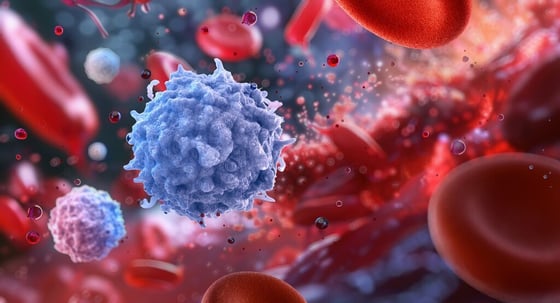
5622_Adaptive immune system, showcasing T-cells, B-cells, NK cells
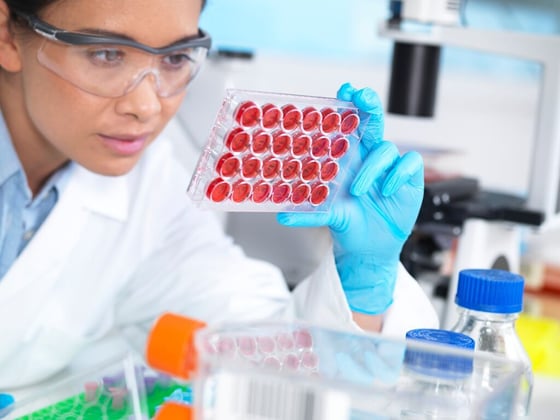
183_Female scientist with multiwell plate

In Vitro Immunology

Human Safety NAMs

New approach methodologies (NAMs) are models and assays that recapitulate biological processes in complex immune competent human models. Models such as ex vivo immune cells isolated from human tissues and functional primary human immune cell-based assays deliver translational insights that improve clinical success.

Explore NAMs services

Why Work with Our In Vitro Immunology Team?

Human-Relevant Models
Generate translational data using primary human immune cells and disease-relevant assay systems.

Scientific Collaboration
Work directly with experienced immunologists who design customized strategies aligned with your development objectives.

Integrated Discovery Support
Access complementary expertise in disease biology, biomarker research, assay development and translational sciences.

Flexible and Scalable Solutions
Whether evaluating a single target or supporting a complex discovery portfolio, our services adapt to your scientific and operational requirements.

Actionable Data
Receive high-quality, decision-enabling data that supports candidate progression and reduces development risk.

Frequently Asked Questions

What is in vitro immunology?

In vitro immunology is the study of immune responses using laboratory-based cellular and molecular systems. These approaches help researchers understand how therapeutic candidates interact with immune pathways before clinical testing.

How does in vitro immunology support drug discovery?

In vitro immunology studies provide critical information on target biology, mechanism of action, efficacy potential, immune safety and biomarker identification, helping developers make informed decisions throughout the discovery process.

What types of therapies can be evaluated?

Our platform supports small molecules, monoclonal antibodies, bispecific antibodies, ADCs, cell therapies, gene therapies, RNA therapeutics and other emerging modalities.

Do you use primary human immune cells?

Yes. We routinely utilize primary human immune cells and PBMC-based platforms to generate clinically relevant, translational data. Our lab in Gosselies, Belgium holds a Belgian Biobank License and stores high-quality PBMC samples from more than 1300 healthy donors with 4-digit HLA typing to ensure appropriate representation of diverse global populations.

Can you develop custom immunology assays?

Absolutely. Our scientists design and optimize bespoke assays tailored to specific targets, disease indications, therapeutic modalities and development goals.

What biomarkers can be assessed?

We evaluate a broad range of immune biomarkers, including cell surface markers, cytokines, chemokines, transcriptional signatures and pharmacodynamic indicators using advanced analytical platforms.

How do immunogenicity studies support development programs?

Immunogenicity assessments identify potential immune responses to therapeutic candidates, helping developers evaluate risk, refine molecule design and strengthen progression decisions.

Which disease areas do you support?

Our teams support autoimmune disease, inflammation, immuno-oncology, neuroinflammation, infectious disease, fibrosis, dermatology, gastroenterology, and cell and gene therapy programs.