
IQVIA Logo
Website Featured Image_PNG-4524_Molecular Structure of Glucagon Peptide Hormone

Structural Biology Services

Structural biology provides the molecular insights needed to understand how therapeutic candidates interact with biological targets, enabling researchers to optimize potency, selectivity, and developability with greater confidence.

Improve Potency and Selectivity Using Structural Biology Services

Structural biology delivers its greatest value when molecular insights are translated into better drug discovery decisions. At IQVIA Discovery Sciences, we combine structural biology, biophysical characterization, structure-based drug design, and translational drug discovery expertise to help pharmaceutical and biotechnology companies make smarter decisions earlier in development. Whether you need high-resolution structural determination, fragment screening, biophysical characterization, or fully integrated structure-based drug design support, our scientists can help generate the insights needed to advance the right compounds faster.

Our Structural Biology Services

Biophysical assays

Biophysical assays such as SPR, NMR, ITC and thermal shift assays enable detailed investigation of ligand-target binding parameters including binding kinetics, thermodynamics and target protein stabilization.

Cryo Electron Microscopy
(Cryo-EM)

Cryo-EM delivers deep structural insights into target-ligand interactions, including for challenging and large structures such as antibodies, membrane proteins, multi-subunit proteins and AAVs.

Fragment-based Drug Discovery

Enable full exploration of chemical space, identify novel starting points with fragment-based drug discovery and screening services.

Protein Crystallization
and X-Ray Crystallography

X-ray crystallography allows visualization of target-ligand complexes and when integrated with biophysical assays generates structural, kinetic and thermodynamic insights.

Protein Sciences

Generate high-quality purified proteins for downstream biological, biophysical and structural biology applications.
Learn more

Applications Of Structure Biology

Hit Identification: Generate mechanistic insights that help validate hits and understand molecular binding interactions.

Hit-to-Lead Optimization: Use structural information to guide medicinal chemistry and rapidly improve compound quality.

Lead Optimization: Refine potency, selectivity, and developability through structure-guided design cycles.

Fragment-Based Drug Discovery: Identify novel chemical matter through crystallographic and NMR-based screening approaches.

Antibody Discovery: Characterize epitopes and guide engineering decisions through structural analysis.

Targeted Protein Degradation: Support degrader design and ternary complex understanding using advanced structural methodologies.

Challenging Targets: Apply Cryo-EM and complementary approaches to membrane proteins and complex biological systems.

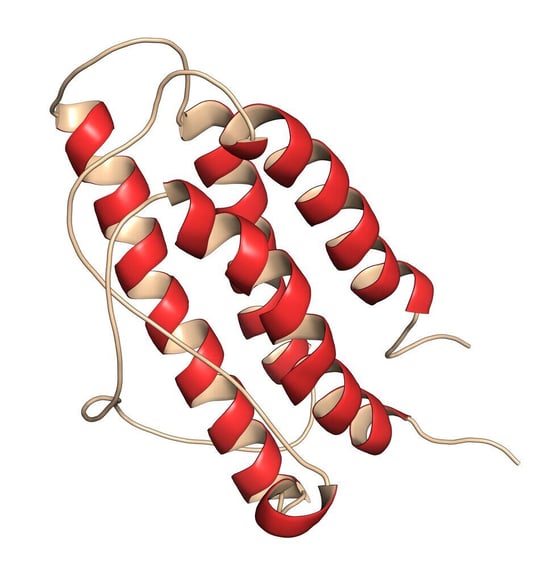
Website Featured_JPG-3591_Erythropoietin (human EPO, epoetin) protein hormone
4518_A detailed view of a molecular structure consisting of multiple small spheres

Why Structural Biology Matters in Drug Discovery

Drug discovery teams face a common challenge: determining which compounds are most likely to deliver meaningful clinical outcomes. Structural biology helps address this challenge by revealing how molecules interact with therapeutic targets at the atomic level. By understanding binding mechanisms and molecular interactions early, you can reduce uncertainty and focus resources on the molecules most likely to succeed.

Structural biology can help you:

  • Improve potency and target selectivity

  • Understand structure-activity relationships (SAR)

  • Reduce off-target liabilities

  • Discover novel binding opportunities

  • Accelerate medicinal chemistry optimization

  • Support candidate selection decisions

  • Increase confidence before advancing into preclinical development

Our Structural Biology Workflow

From Gene to Structure to Drug Design

We provide a complete structural biology workflow that enables rapid generation of actionable molecular insights.

Protein Production and Characterization

Generating high-quality protein is the foundation of successful structural biology. We routinely achieve high-purity protein preparations suitable for downstream structural and biophysical studies.

Our capabilities include:

  • Rational construct design
  • Bioinformatics-guided engineering
  • Cloning and vector design
  • Expression in E. coli, mammalian, and baculovirus/insect cell systems
  • Expression scale-up
  • Cell-free expression platforms
  • Automated purification workflows
  • Comprehensive quality control
  • Production of isotopically labeled proteins for NMR and crystallography
Protein Production and Characterization

Protein Production and Characterization

Generating high-quality protein is the foundation of successful structural biology. We routinely achieve high-purity protein preparations suitable for downstream structural and biophysical studies.

Our capabilities include:

  • Rational construct design
  • Bioinformatics-guided engineering
  • Cloning and vector design
  • Expression in E. coli, mammalian, and baculovirus/insect cell systems
  • Expression scale-up
  • Cell-free expression platforms
  • Automated purification workflows
  • Comprehensive quality control
  • Production of isotopically labeled proteins for NMR and crystallography

Learn more

Protein Structure Determination

Protein Structure Determination

Biophysical assays and technologies enable investigation of protein structure and target-ligand interactions to support hit to lead optimization and rational drug design. 

X-Ray Crystallography: Generate high-resolution structural information including diffraction, electron density mapping and ligand binding analysis to support structure interpretation. 

Cryo-EM:  Provides a powerful solution for targets that are difficult to study using traditional crystallographic methods.

Nuclear Magnetic Resonance (NMR): NMR provides valuable structural and mechanistic insights in solution, including protein-protein interactions and binding characterization.

Biophysical Characterization and Mechanistic Insight

Biophysical Characterization and Mechanistic Insight

Understanding the nature of target-ligand binding and interactions, including kinetics, binding affinity and target-ligand stability, is critical to successful lead optimization.
Surface Plasmon Resonance (SPR): Enables quantitative characterization of molecular interactions.

Thermal Shift Assay (TSA): Provides a rapid and cost-effective method to evaluate ligand-target interactions.

Fragment-Based Drug Discovery

Fragment-Based Drug Discovery

Our structural biology team utilizes crystallographic fragment screening approaches to identify novel binding opportunities that may be missed by conventional screening strategies. This approach supports innovative medicinal chemistry strategies and accelerates hit identification by revealing previously unrecognized binding pockets and identifying novel chemical starting points.

Why Choose Us For Structural Biology Services

Our scientists integrate structural biology with broader discovery expertise, helping clients understand not only what a structure looks like, but how that insight can be used to drive progression decisions and create better therapeutic candidates.

Drug Discovery Expertise: Experienced scientists who understand the challenges of hit identification, lead optimization, and candidate nomination.

Structure-Based Drug Design: Structural insights directly connected to medicinal chemistry decision-making. Biophysical Characterization: Orthogonal validation using complementary techniques to strengthen confidence in findings.

Flexible Engagement Models: Standalone studies, milestone-driven projects, or fully integrated FTE-based partnerships.

End-to-End Discovery Support: Structural biology capabilities integrated within broader drug discovery and developability workflows.

Frequently Asked Questions: Structural Biology Service

How does structural biology improve drug discovery success?

Structural biology reveals how therapeutic molecules interact with target proteins at the atomic level. These insights help researchers improve potency, selectivity, and developability while reducing the risk of advancing suboptimal candidates.

When should structural biology be incorporated into a discovery program?

Structural biology can add value from early hit identification through lead optimization and candidate selection. Earlier incorporation often allows teams to make more informed design decisions and accelerate project progression.

What is the difference between Cryo-EM and X-ray crystallography?

X-ray crystallography remains a powerful approach for high-resolution structure determination, while Cryo-EM is particularly valuable for large protein complexes, membrane proteins, and targets that are difficult to crystallize.

How does structural biology support structure-based drug design?

Structural information reveals key molecular interactions that can be leveraged to design compounds with improved potency, selectivity, and pharmacological properties.

Can structural biology support targeted protein degradation programs?

Yes. Structural biology can provide insights into protein interactions, degrader binding modes, and ternary complex formation, supporting rational design strategies.

Do you provide standardized services or bespoke solutions?

Both. We offer standalone structural biology studies, integrated structure-based drug design projects, and flexible partnership models tailored to your scientific goals, timelines, and resources.