

Human Safety NAMs
New approach methodologies (NAMs) provide human relevant safety insights to support decision-making from discovery through preclinical to deliver improved clinical success.
Human safety NAMs help prevent late-stage failures and increase drug development success, by identifying safety risks early, before candidate selection, and delivering human-relevant insights to support better decisions across discovery, preclinical and clinical phases.
Human cell and organoid models, combined with in silico tools, enable early integration of safety parameters into drug discovery, particularly in drug design and optimization. This approach supports decision-making that considers not only efficacy signals but also human safety data from new approach methodologies (NAMs) when selecting between lead series or preclinical candidates.
For drug candidates lacking pharmacology data in non-human in vivo systems, on-target and off-target human safety NAMs packages can provide crucial IND-enabling information. In addition, when investigational drugs lead to unexpected adverse events during clinical trials, safety NAMs can help elucidate toxicology mechanisms and guide the removal of any toxicophores in backup molecules.
Early derisking (discovery & lead optimization) with new approach methodologies: Which molecules should move forward?
The earliest stages of drug discovery offer the greatest opportunity to influence program outcomes, yet safety considerations are often introduced too late to meaningfully shape decisions. During hit to lead and lead optimization, human relevant safety liabilities, such as liver or cardiac toxicity, can already be present, even when efficacy signals appear promising. Understanding these risks earlier allows teams to evaluate not only whether a molecule is active, but whether it is likely to be viable.
Human safety NAMs support early safety decision-making by applying scalable NAM models complemented by in silico methods specifically designed for discovery use. Model complexity is selected based on the biological question at hand, ensuring that studies remain efficient while still capturing relevant mechanisms. By integrating multiple readouts, our scientists account for diverse toxicity pathways that may not be apparent in initial assays.
Incorporating human-relevant safety insights at this stage helps teams compare risk across lead series, make informed decisions at predefined checkpoints, focusing resources on molecules with the greatest likelihood of success. The result is greater confidence in lead prioritization and reduced investment in low value or high risk programs.
This approach moves safety from a late-stage filter to an early decision driver, reducing reliance on downstream failure.
Candidate selection using human safety NAMs: Which candidate offers the best balance of efficacy and safety?
As programs advance and the number of viable molecules narrows, decision making increasingly depends on understanding trade-offs between efficacy and safety. At this stage, subtle yet meaningful differences in human-relevant safety profiles can be used to exclude candidates that otherwise appear similar based solely on pharmacology.
IQVIA supports candidate selection by enabling direct, side by side assessment of multiple molecules using consistent human based safety models. This approach allows teams to evaluate comparative risk across candidates, identify liabilities linked to mechanism or modality, and anticipate potential challenges before committing to a single preclinical candidate.
By integrating these insights with existing pharmacology and PK/PD data, IQVIA Laboratories Discovery Sciences teams help our customers make more informed decisions. This reduces the likelihood of advancing a candidate that later fails for predictable safety reasons and improves overall portfolio confidence.
IND-enabling safety using human safety NAMs: How can we generate a safety package appropriate for progression to first in human (FIH) studies?
For some drug modalities, particularly antibody-based therapeutics (such as multi-specifics or antibody-drug conjugates [ADCs]) and advanced cell or gene therapies, meaningful pharmacology may be limited or absent in non-human species. In these cases, NAMs can be used to generate human safety data, which can play a critical role in enabling progression to clinical development.
Based on the drug modality, mechanism of action, and target biology, we design panels of human cell and organoid models to capture on target toxicity, off-target effects, exaggerated pharmacology and potential off target liabilities. Screening is typically conducted across multiple donors to address biological variability and strengthen confidence in the findings.
Human-relevant safety data generated using this approach has been accepted by regulators to support progression to first-in-human studies, both as a complement to reducing animal testing and, in some cases, in the absence of traditional animal safety studies. Our labs have supported 13 IND-enabling programs (5 bispecific and 8 CAR-T), with 10 advancing to FIH, demonstrating a focus on programs with high human selectivity and a scientifically justified, regulator-aligned strategy.
Mechanistic toxicology & clinical signal investigation using NAMs: Why are we seeing this signal and can it be mitigated?
Unexpected safety findings can arise during advanced preclinical development or even after a program has entered the clinic. When this occurs, understanding the underlying mechanism is essential to determining whether a program should proceed, be modified, or be stopped altogether.
We support mechanistic investigations using human cell based models based on new approach methodologies (NAMs) that represent relevant organs and biological systems. Studies are designed to reflect clinically relevant exposure and kinetics, allowing hypotheses about mechanism, dose dependence, or tissue specificity to be tested directly. This targeted, hypothesis-driven approach avoids unnecessary repetition of animal studies while providing insights directly relevant to human biology.
A mechanistic understanding can accelerate root-cause analysis, inform mitigation strategies, and, where appropriate, enable the design or selection of backup molecules without the toxic mechanism. In doing so, it helps preserve program value that might otherwise be prematurely terminated.
Human safety NAMs across modalities and organ systems
Our human safety NAMs approaches are applied across a broad range of drug modalities and biological systems, with designs tailored to the specific risks associated with each program. Whether working with small molecules, biologics such as monoclonal antibodies or bi-specifics, ADCs or advanced therapies including cell and gene therapies, model selection is guided by mechanism, exposure and clinical intent.
HUMAN CELL MODELS
Wide panel with selectable HLA types, supporting 13 IND programs, including 10 FDA-cleared for FIH studies.
Click on the highlighted points to learn more about our specialized capabilities.
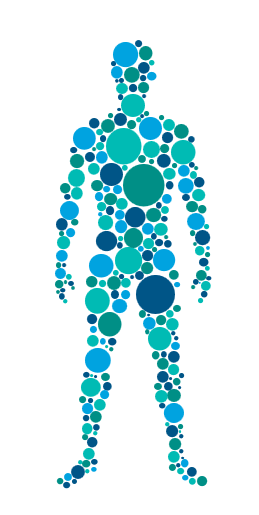
Eyes
Retinal pigment epithelial cells
CNS
Astrocytes
Oligodendrocyte progenitor cells
Brain vascular pericytes
Airways
Nasal epithelial cells
Tracheal epithelial cells
Tracheal smooth muscle cells
Tonsils
Lymphocytes, Tonsil organoids
Lungs
Bronchial epithelial cells
Pulmonary microvascular endothelial cells
Bronchial smooth muscle cells
Pulmonary artery smooth muscle cells
Lung organotypic models
Heart
Cardiac microvascular endothelial cells
Aortic endothelial cells
Breast
Kidneys
Renal proximal tubule epithelial cells
Glomerular epithelial cells
Liver
Pancreas
GI tract
Small intestinal epithelial cells
Colonic epithelial cells
Intestinal organoids
Urinary tract
Prostate epithelial cells
Bladder smooth muscle cells
Reproductive organs
Uterine microvascular endothelial cells
Ovarian epithelial cells
Adipose
Muscle
Muscle myoblasts
Blood
Whole blood
Bone
Bone marrow
Vascular
Skin
Keratinocytes
Fibroblasts
We focus on organ systems most frequently associated with human safety liabilities, including the liver, heart, gastrointestinal (GI) tissues, the immune system and the central nervous system (CNS). Rather than indiscriminately modeling every tissue, we prioritize biological relevance and decision impact, ensuring that data meaningfully informs development choices.
We work with teams to apply human-relevant safety insight at the points in development where it can still change outcomes, whether to stop, redesign or move forward with greater confidence.
Frequently Asked Questions for human safety NAMs
What are human safety NAMs?
Human safety NAMs (new approach methodologies) refer to non‑animal, human‑relevant approaches used to assess drug safety. These include human cell‑based assays, organoids, computational (in silico) models and advanced analytical methods that provide insights into how a drug may behave in humans.
These methodologies are increasingly used to generate earlier and more mechanistic safety data, particularly during discovery and early development.
What are new approach methodologies (NAMs)?
New approach methodologies (NAMs) are innovative tools and strategies that replace, reduce, or refine the use of animals in drug discovery and development, in line with the 3Rs principles.
NAMs may include:
- In silico (computational) modeling
- In vitro:
- Human cell and organoid models
- High‑content imaging and multi‑omics data
- Advanced in vitro screening systems
Regulatory agencies, including the FDA, have acknowledged the role of NAMs in improving the relevance and efficiency of safety assessment.
What is meant by early safety or early de risking?
Early safety, or early de-risking, refers to integrating safety evaluation at the earliest stages of drug discovery, before a candidate is selected or enters formal toxicology studies.
The objective is to:
- Identify potential safety liabilities early
- Avoid advancing high‑risk molecules
- Enable redesign or prioritization decisions
Early de‑risking allows safety to be considered alongside efficacy when evaluating drug candidates.
What is early screening in drug discovery?
Early screening is the process of evaluating compounds during hit identification and lead optimization using scalable assays.
When applied to safety, early screening involves:
- Testing compounds in human‑relevant systems
- Comparing risk across multiple lead series
- Identifying early signals of toxicity
This helps teams make faster, more informed decisions about which compounds to advance.
What is in silico modeling in safety assessments?
In silico modeling refers to the use of computational methods to predict drug properties and safety risks.
These approaches may include:
- Structure‑activity relationship (SAR) models
- Machine learning models trained using biological data
- Simulations of drug exposure and biological response
In silico methods are typically used in combination with experimental data to strengthen predictive abilities and guide decision‑making.
How do human safety NAMs help reduce animal testing?
Human safety NAMs contribute to the reduction of animal testing by:
- Identifying high‑risk compounds before animal studies are initiated
- Providing mechanistic insight that can reduce the need for repeat studies
- Supporting decision‑making when animal models are not relevant
While animal studies are still required in many regulatory contexts, NAMs are increasingly used on a fit-for-purpose basis to refine and supplement these approaches.
Are human safety NAMs accepted by regulatory authorities?
Regulatory agencies, including the FDA and other global authorities, increasingly recognize the value of human safety NAMs.
In certain cases:
- Human cell‑based data has been used to support progression to first‑in‑human studies
- NAMs data have complemented or contextualized traditional toxicology findings
Acceptance depends on the context, robustness of the data, and scientific justification.
What types of safety risks can human safety NAMs detect?
Human safety NAMs are particularly useful for identifying:
- Organ‑specific toxicity (e.g., liver, cardiac, CNS, gut)
- Immune‑related effects and immunogenicity
- On‑target exaggerated pharmacology
- Off‑target toxicity mechanisms
They are especially valuable when risks are driven by human‑specific biology.
