Early Derisking for Liver Assessment
Identify hepatotoxicity risk using human-relevant liver models, including advanced spheroid and cellular systems.

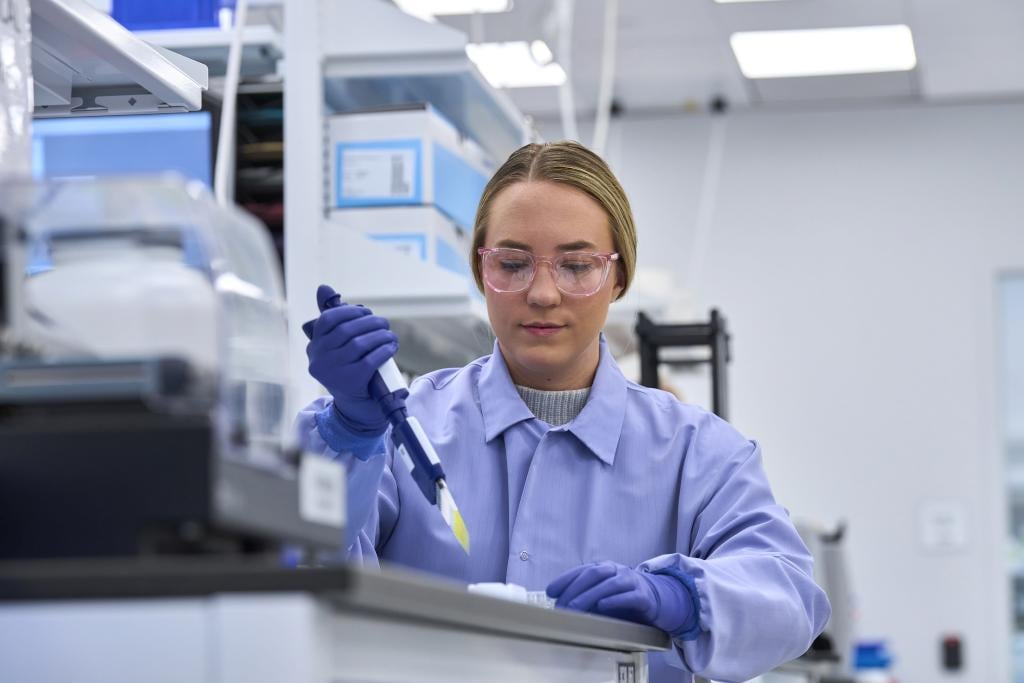
HUMAN SAFETY NAMS
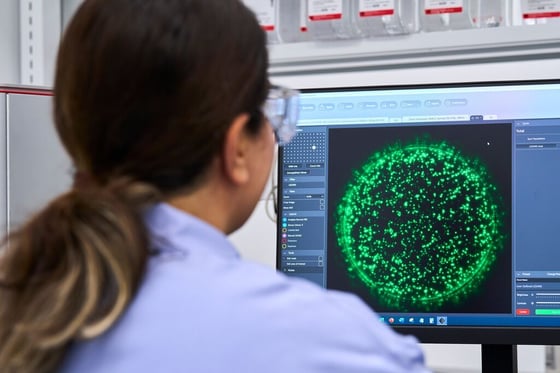
Drug discovery teams generate large amounts of efficacy, potency, and developability data before meaningful safety information becomes available. As a result, critical liabilities may remain undetected until substantial resources have already been invested.
Many safety-related failures are not caused by unexpected toxicities emerging late in development. They result from risks that were present much earlier but were not identified while meaningful course corrections were still possible. Early derisking helps shift safety from a late-stage gatekeeper to an early discovery decision driver.
Key Questions Discovery Teams Face
• Which lead series should move forward?
• Are safety liabilities emerging alongside efficacy?
• Can identified risks be eliminated?
• Which candidates warrant additional investment?
• Are there human-specific safety concerns that may not be visible in traditional models?

Model selection is guided by mechanism of action, target biology, modality, compound characteristics, and anticipated clinical safety risk, ensuring that studies remain relevant to discovery-stage decisions.
These approaches can be applied across diverse small molecules programs, including:
• Oncology therapeutics
• Immunology therapies
• CNS therapeutics
• Precision medicines
• Targeted therapies

Human Safety NAMs can support safety assessment across a broad range of therapeutic platforms.
• Monoclonal antibodies
• Bispecific antibodies, such as T cell engagers
• Antibody-drug conjugates
• CAR-T therapies
• Cell therapies
• Gene therapies
• Oligonucleotides
• Peptide therapeutics
Many biologics interact with human-specific targets, tissues, and immune pathways that may not be adequately represented in traditional models.
Human Safety NAMs help generate early safety insights directly from human-relevant systems, allowing teams to investigate risks before advancing candidates into more resource-intensive stages of development, such as IND-enabling studies.
Safety assessments can be tailored to investigate:
Cytokine release
Immune activation
Multi-organ responses
On-target toxicity
Off-tumor effects
Platelet activation
Tissue-specific cytotoxicity
Multi-organ responses
This approach is particularly valuable for monoclonal antibodies, bispecific antibodies such as T cell engagers, ADCs, CAR-T therapies, and other advanced therapeutic modalities.

Early Safety Assessment should inform decisions, not simply generate additional data.
By integrating safety findings with pharmacology, developability, and mechanism-of-action information, teams can evaluate candidates based on a more complete understanding of risk and therapeutic potential.
Discovery Decisions Supported by Early Derisking
• Lead series prioritization
• Candidate ranking
• Portfolio optimization
• Risk mitigation planning
• Follow-up study design
• Resource allocation decisions
The result is greater confidence in candidate progression and reduced investment in programs with unfavorable safety profiles.
Discovery-Focused Approach
Designed to support candidate prioritization and lead optimization decisions rather than retrospective safety evaluation.
Human-Relevant Models
Primary human cells, iPSC-derived models, organoids, and co-culture systems designed to better reflect human biology.
Small Molecule and Biologics Expertise
Integrated support across both traditional and advanced therapeutic modalities.
Multi-Organ Safety Assessment
Evaluate risk across multiple biologically relevant tissues through a unified safety assessment strategy.
Actionable Safety Insights
Generate data intended to inform progression, optimization, and investment decisions while opportunities to influence outcomes still exist