IQVIA Logo

PDX Models for Predictive Oncology Drug Discovery

Developed from primary patient tumor samples, our PDX models preserve key molecular and histopathological characteristics of the originating cancer, providing a clinically relevant drug discovery platform.

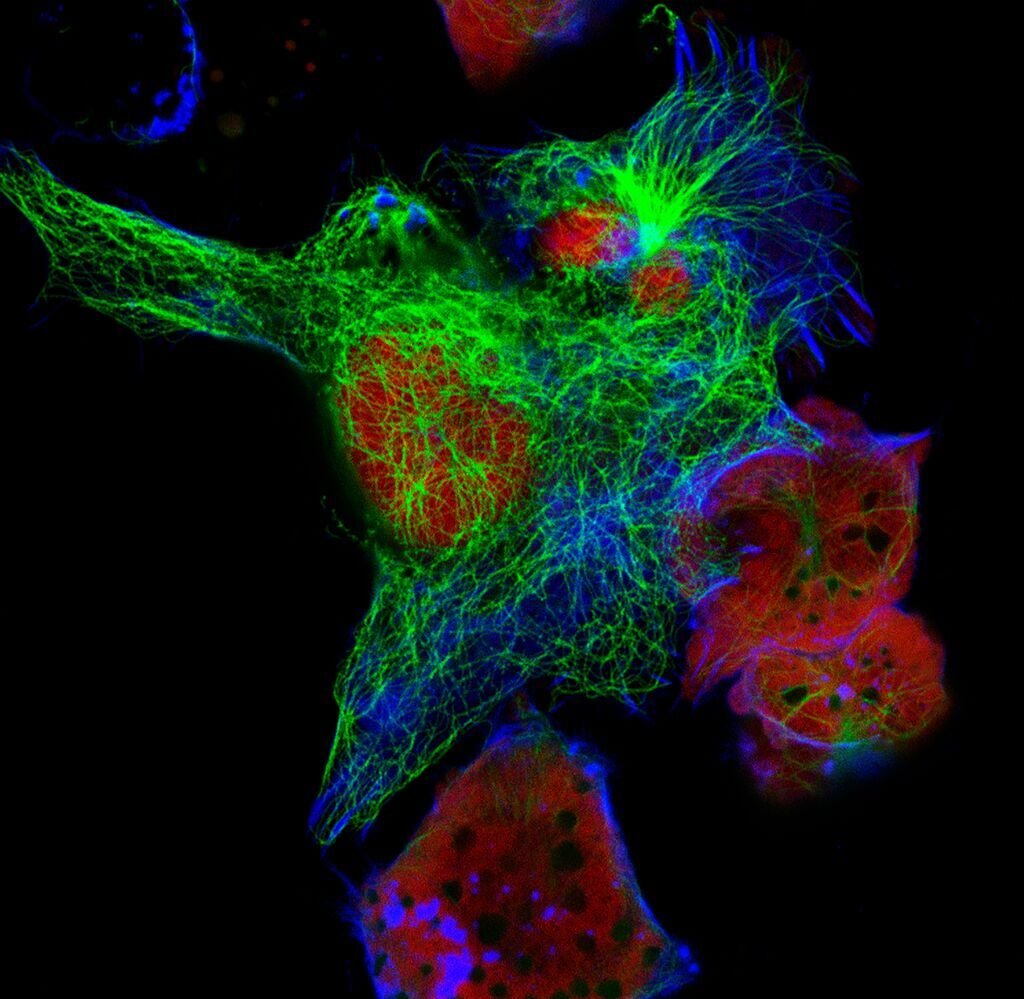
5618_Real fluorescence microscopic view of mice neuroblastoma cell line
Home / Services / Discovery Sciences / Disease Biology / Preclinical Oncology Services / PDX Models for Predictive Oncology Drug Discovery

Successful oncology drug development depends on selecting preclinical models that accurately reflect human tumor biology. Our PDX models (patient-derived xenograft models) are designed to help you generate meaningful translational data, prioritize high-potential drug candidates, and reduce development risk. By combining clinically relevant tumor models, advanced pharmacology capabilities, biomarker analysis, and an integrated study design, we bridge the gap between preclinical findings and clinical outcomes, enabling you to move from discovery to clinical decision-making with greater confidence.

A Broad and Diverse Portfolio of PDX Models

Selecting the right PDX model is critical to generating meaningful translational data. We align model selection with your target biology, mechanism of action, biomarker strategy, and intended patient population. Whether you are advancing a first-in-class therapeutic, evaluating combination strategies, or assessing a precision oncology approach, our scientists can help identify the most appropriate models to support your development goals.

>1700

PDX models in our industry-leading collection

45+

cancer indications covered, including solid, liquid and pediatric cancers

95%

concordance with clinical patient outcomes

100%

genetic and histological similarity to origin patient tumors

Molecularly Characterized PDX Models

Modern oncology drug development increasingly relies on molecular patient segmentation. Our PDX portfolio includes models representing diverse genomic backgrounds and clinically relevant molecular alterations, enabling evaluation of innovative targets across different modalities. This molecular diversity means our studies evaluate therapeutic response within defined biomarker populations and identify potential responder subsets before clinical development.

Molecularly Characterized PDX Models

Modern oncology drug development increasingly relies on molecular patient segmentation. Our PDX portfolio includes models representing diverse genomic backgrounds and clinically relevant molecular alterations, enabling evaluation of innovative targets across different modalities. This molecular diversity means our studies evaluate therapeutic response within defined biomarker populations and identify potential responder subsets before clinical development.

Primary and Metastatic Tumor Models

Primary and Metastatic Tumor Models

Primary and Metastatic Tumor Models

Cancer progression is often driven by metastatic disease. Our portfolio includes models established from both primary tumors and metastatic lesions, enabling investigation of:

  • Tumor evolution
  • Metastatic biology
  • Site-specific therapeutic response
  • Resistance mechanisms
  • Biomarker changes during disease progression

This diversity supports the development of therapies intended for advanced and metastatic patient populations.

Models Reflecting Treatment-Experienced Disease

Models Reflecting Treatment-Experienced Disease

Models Reflecting Treatment-Experienced Disease

Many oncology patients receive multiple lines of therapy before enrolling in clinical trials. To better reflect real-world disease biology, our collection includes PDX models derived from:

  • Relapsed disease
  • Refractory tumors
  • Metastatic lesions
  • Treatment-resistant cancers
  • Late-stage patient samples

These models help address important questions around resistance mechanisms, combination therapy strategies, and next-generation treatment approaches.

Models Supporting Multiple Therapeutic Modalities

Models Supporting Multiple Therapeutic Modalities

Models Supporting Multiple Therapeutic Modalities

Our patient derived xenograft models can be used to evaluate a broad range of therapeutic approaches. By matching model selection to therapeutic mechanism, we help sponsors generate robust efficacy and translational data across diverse development programs.

  • Small molecule inhibitors
  • Monoclonal or bispecific antibodies
  • Antibody-drug conjugates (ADCs)
  • Radiopharmaceuticals
  • Cell therapies
  • Gene therapies
  • Oncolytic viruses
  • Immuno-oncology agents
  • Targeted protein degraders and molecular glues
  • Novel modality therapeutics
View Discovery Services

Humanized PDX Models for Immuno-Oncology

Humanized PDX Models for Immuno-Oncology

Humanized PDX Models for Immuno-Oncology

For researchers developing immunotherapies, selected PDX models can be evaluated in humanized systems designed to investigate interactions between the tumor and components of the human immune system.

These models can support studies involving:

  • Immune checkpoint inhibitors
  • T-cell engagers
  • CAR-T therapies
  • NK-cell therapies
  • Cytokine-based therapeutics
  • Combination immunotherapy strategies

This approach provides additional insight into immune-mediated mechanisms of action and therapeutic response.

Browse Resources

Rare and Difficult-to-Access Tumor Models

Rare and Difficult-to-Access Tumor Models

Rare and Difficult-to-Access Tumor Models

In addition to common indications, we maintain expertise in sourcing and developing models for rare, underserved, and difficult-to-treat cancers.

Examples include:

  • Pediatric malignancies
  • Rare sarcomas
  • Neuroendocrine tumors
  • Cholangiocarcinoma
  • Uveal melanoma
  • Rare gynecological cancers
  • Molecularly defined orphan indications

Access to these models enables sponsors to advance programs for patient populations where translational research resources are often limited.

What Are Patient-Derived Xenograft (PDX) Models?

 Patient-derived xenograft (PDX) models are established by implanting human tumor tissue directly into immunocompromised mice, preserving important features of the original patient tumor, including histology, molecular characteristics, and tumor heterogeneity. These attributes make PDX models a valuable translational tool for evaluating novel cancer therapies and predicting therapeutic response. Unlike traditional cell line-based models, PDX models more closely reflect the complexity of human disease, enabling evaluation of therapeutics in a clinically relevant setting and supporting informed go/no-go decisions throughout the drug discovery and development process. 
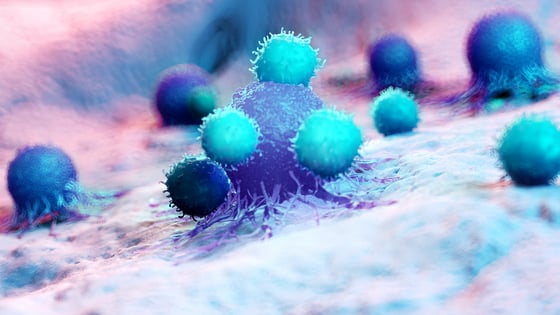
Website Featured Image_PNG-5643_3D rendered illustration of leukocytes attacking a cancer cell

Proven Performance, Proven Results

Tap each area to view examples across cost, compliance, engagement, and operational outcomes.

Comprehensive PDX Model Services

Our oncology team supports the full spectrum of preclinical drug discovery with customized patient derived xenograft studies designed around your scientific goals.

Efficacy Studies

Efficacy Studies

Evaluate antitumor activity across a range of tumor types and therapeutic modalities, including:

    • Small molecules
    • Antibodies
    • Antibody-drug conjugates (ADCs)
    • Targeted therapies
    • Immuno-oncology agents
    • Cell and gene therapies
Biomarker and Translational Research

Biomarker and Translational Research

Generate deeper biological insights through:

    • Genomic profiling
    • Transcriptomic analysis
    • Protein expression studies
    • Pharmacodynamic endpoints
    • Mechanism-of-action investigations
    • Biomarker identification and validation
Combination Therapy Assessment

Combination Therapy Assessment

 Explore novel therapeutic combinations and optimize treatment strategies using translationally relevant PDX models.

Customized Study Design

Customized Study Design

Our scientists work closely with sponsors to develop studies aligned with target biology, indication strategy, and clinical development objectives.

Website Featured_JPG-3596_CAR T-Cell Therapy

Integrated Oncology Drug Discovery Solutions

PDX studies are most powerful when combined with complementary discovery capabilities. A connected workflow helps accelerate candidate progression while generating the evidence needed to support critical development milestones.

Our integrated approach imcludes:

    • In vitro screening
    • 3D tumor models and organoids
    • Ex vivo assays
    • In vivo imaging
    • Pharmacokinetic and pharmacodynamic analyses
    • Molecular profiling
    • Bioinformatics and data analytics
    • Translational biomarker strategies

Frequently Asked Questions About PDX Models

 
What is a PDX model?

A PDX model, or patient derived xenograft model, is created by implanting human tumor tissue into immunocompromised mice. The model maintains many of the biological characteristics of the original patient tumor, making it valuable for translational oncology research.

Why are patient derived xenograft models important in drug discovery?

PDX models provide a more clinically relevant representation of human cancer than many traditional preclinical models. They help researchers evaluate therapeutic efficacy, investigate resistance mechanisms, and improve confidence in candidate selection.

Are PDX models suitable for immuno-oncology research?

Yes. PDX studies can be combined with humanized mouse platforms and additional translational approaches to evaluate immuno-oncology therapies and investigate interactions within the tumor microenvironment.

How do PDX models support biomarker discovery?

PDX models can be paired with molecular characterization, genomic analysis, and pharmacodynamic assessments to identify predictive and prognostic biomarkers that inform patient selection strategies.

When should PDX studies be used in the drug development process?

PDX studies can support multiple stages of development, including target validation, lead optimization, efficacy testing, translational research, biomarker development, and clinical candidate selection.