Inflammatory Bowel Disease (IBD) Drug Discovery Services
Advance inflammatory bowel disease (IBD) drug development with translational preclinical models, integrated immunology expertise, and disease-focused research strategies designed to improve clinical relevance and decision making.
Inflammatory bowel disease is a complex, multifactorial condition involving immune dysregulation, epithelial barrier dysfunction, chronic inflammation, and interactions between the host microbiome and immune system. Successful drug development requires preclinical models that capture the biological pathways most relevant to human disease. By aligning model selection with therapeutic mechanism of action, and integrating disease biology, pharmacology, immunology, and biomarker expertise, we help teams generate actionable insights that reduce development risk and accelerate advancement toward the clinic.
Inflammatory Bowel Disease Animal Models
Selecting the appropriate IBD model is critical to generating biologically relevant and clinically meaningful data. Our team works closely with sponsors to align model selection with target biology, mechanism of action, and study objectives.
The dextran sulfate sodium (DSS)-induced colitis model is one of the most widely used models of intestinal inflammation. Acute and chronic DSS studies support evaluation of therapies targeting inflammatory pathways, epithelial repair mechanisms, and barrier function.
Applications include:
-
Ulcerative colitis drug discovery
-
Anti-inflammatory therapeutics
-
Epithelial regeneration strategies
-
Biomarker identification
-
Mechanism-of-action studies
Dextran sulfate sodium (DSS) is a sulfated polysaccharide with variable molecular weights. Administration of DSS in mice causes human ulcerative colitis-like pathologies due to its toxicity to colonic epithelial cells, which results in compromised mucosal barrier function. Clinical observations similar to human pathologies, such as weight loss, diarrhea and occult blood in stool, are commonly observed and measured in the DSS-induced colitis mouse model. Importantly, studies suggest that acute DSS colitis mostly involves activation of neutrophils and macrophages, while lymphocytes are also activated in chronic DSS-induced colitis.
The adoptive transfer model enables investigation of T-cell-mediated inflammation and adaptive immune responses involved in IBD pathogenesis. This model is particularly valuable for programs targeting immune regulation and chronic inflammatory mechanisms.
Applications include:
-
T-cell-targeted therapies
-
Regulatory T-cell research
-
Immune tolerance approaches
-
Chronic inflammation studies
To identify and test novel therapies targeted at regulating the immunological mechanisms responsible for the induction, perpetuation, and/or regulation of IBD as well as the role of T-regulatory cells (Treg), T cell-dependent models of IBD are more relevant to human disease than chemically-induced models of acute colitis. Adoptive transfer of CD4+CD45RBhigh T cells (naive T cells, depleted of the Treg population) from healthy wild-type (WT) mice into syngeneic recipients that lack T and B cells induces colitis several weeks following T cell transfer, recapitulating the clinical pathology observed in human intestinal inflammatory diseases such as Crohn’s disease and ulcerative colitis. Adoptive transfer of naïve CD4 T cells leads to the infiltration of activated (CD44+) T cells expressing the effector cytokines IL-17 and IFNγ in the colonic lamina propria and mesenteric lymph nodes. Administration of a T cell immunomodulator (abatacept) serves as a positive control, demonstrating decreased T cell activation and effector cytokine expression, along with a concomitant decrease in clinical scores.
IBD Study Endpoints
Our IBD preclinical studies combine in-life assessments, histopathology, immunophenotyping, and biomarker analysis to generate data that support critical development decisions.
-
Clinical disease progression measures: disease progression scoring (stool consistency, presence of blood in stool), body weight monitoring, gastrointestinal disease assessments (colon weight:length ratio)
-
Efficacy and pharmacology: mechanism of action validation, therapeutic efficacy, pharmacodynamic assessments
-
Histology and tissue analysis: colon histopathology including tissue inflammation scoring, mucosal injury assessment, epithelial repair evaluation
-
Immunology biomarkers: multiplexed cytokine analysis, immune cell profiling by flow cytometry, gene expression analysis
Integrated Immunology and Human Cell Assay Capabilities
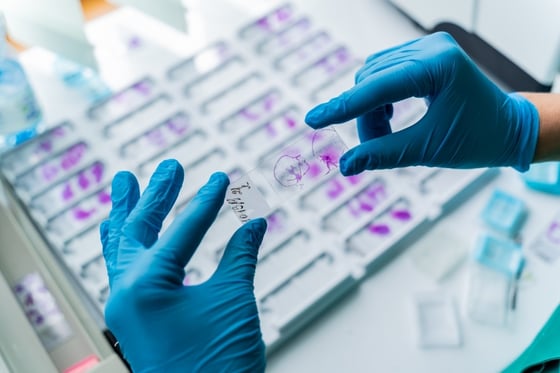
Animal models provide important translational insights, but complementary human cell studies can strengthen understanding of mechanism of action and therapeutic potential prior to moving into translational animal models. Covering key immune cell types and advanced co-culture systems, our in vitro immunology models and assays support mechanism of action studies, immune cell profiling, immunogenicity assessments and predictive immunotoxicology studies. This integrated approach enables a more comprehensive evaluation of biological activity before clinical development.
Microbiome Drug Discovery and Translational Research
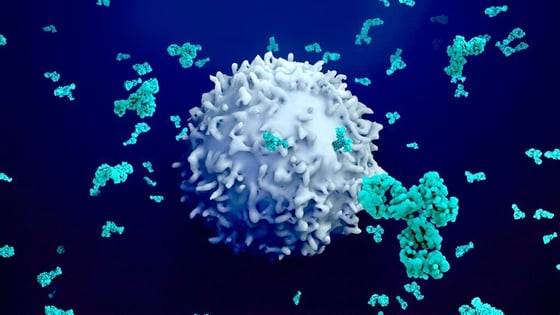
Growing evidence demonstrates the critical relationship between the microbiome, immune system, and epithelial barrier in gastrointestinal health and disease. Dysbiosis has emerged as a key area of therapeutic interest across inflammatory bowel disease programs. We help you investigate how therapeutic candidates influence microbial composition, immune regulation, inflammatory signaling, and epithelial repair pathways to create a more complete understanding of biological activity.
Our microbiome-focused capabilities support development of:
-
Microbiome therapeutics
-
Live biotherapeutic products
-
Probiotic interventions
-
Microbial-derived drug candidates
-
Host-microbiome interaction programs
Why Partner With Our IBD Drug Discovery Scientists?
Progressing innovative therapies for inflammatory bowel diseases such as Crohn's disease and ulcerative colitis, requires more than access to animal models. It demands a deep understanding of disease biology, immune regulation, microbiome science, and translational research strategies. We combine deep expertise and immunology capabilities with Integrated in vivo and in vitro studies, biomarker-driven decision making and custom study design to generate data that informs development strategy and supports confident advancement of promising candidates.
Frequently Asked Questions: Inflammatory Bowel Disease (IBD) Drug Discovery Services
Which inflammatory bowel disease model is best for drug discovery?
The optimal model depends on therapeutic target, mechanism of action, and study objectives. DSS and adoptive transfer models each offer distinct advantages depending on the biological pathway being investigated.
What preclinical endpoints are most important in IBD studies?
Common endpoints include disease activity measurements, histopathology, cytokine analysis, flow cytometry, and biomarker assessment to demonstrate therapeutic efficacy and mechanism of action.
Can microbiome-targeted therapies be evaluated in IBD models?
Yes. Translational IBD studies can be designed to investigate microbiome-directed therapeutics, probiotics, live biotherapeutics, and interventions that influence host-microbiome interactions.
How can integrated immunology assays improve IBD drug discovery?
Human cell assays complement animal models by providing mechanistic evidence of target engagement, immune modulation, and therapeutic activity, helping sponsors make more informed development decisions.