
Pharmacology Methods for Translational Drug Discovery
Generate the pharmacology data needed to make confident drug discovery decisions
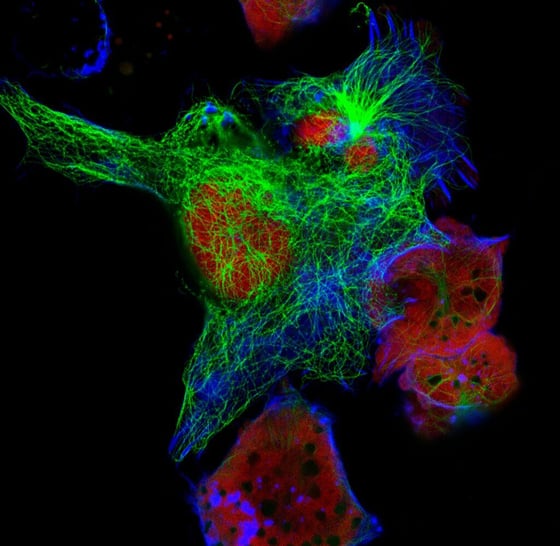
Understanding whether a therapeutic reaches its target, produces the desired biological response, and demonstrates meaningful efficacy requires the right combination of scientific expertise and experimental technologies. Our integrated pharmacology methods help drug developers characterize therapeutic activity, investigate mechanism of action, measure pharmacodynamic responses, and establish translational relevance across diverse therapeutic areas.
From target validation and lead optimization through candidate selection, we apply advanced pharmacology techniques to generate robust datasets that support critical development decisions and reduce program risk.
Explore Our Pharmacology Technologies
Behavioral and Motor Function Testing
Behavioral and motor function assessments provide critical insight into therapeutic activity, particularly within neuroscience, neuromuscular, pain, and neurodegenerative disease programs.
Bioanalysis
Connecting exposure to biological response, through quantification of drugs, metabolites, biomarkers, and biological mediators, is essential for understanding therapeutic performance.
Drug Delivery Methods
Specialized administration approaches are critical for optimized therapeutic delivery, exposure, and translational success of complex modalities, like cell and gene therapies and RNA therapeutics.
Electrophysiology
Electrophysiology techniques are powerful tools for studying target engagement, neuronal function, ion channel activity, synaptic transmission, and therapeutic effects on excitable tissues.
In Vitro Immunology Assays
Explore physiologically relevant assays for immune cell profiling, mechanism of action studies, biomarker profiling, immunogenicity, and predictive immunotoxicology.
Learn moreIn Vitro Neuroscience Assays
Complex, multi-cell models and disease-relevant assays enable translational assessment of therapeutic effects and mechanism of action prior to in vivo studies.
In Vitro Oncology Assays
Accelerate oncology drug discovery with patient-derived xenografts, 3D tumor models and immune cell co-cultures that reveal therapeutic efficacy, mechanism of action and immunoreactivity.
In Vivo Imaging
Visualize therapeutic effects in real time with translational assessments of biological processes, disease progression, and treatment response, through MRI, nuclear imaging (PET and SPECT), and functional ultrasound.
Microdialysis
By sampling directly within biologically relevant tissues, microdialysis enables a deeper understanding of local drug concentrations, neurotransmitter dynamics, biomarkers, and tissue pharmacokinetics.
An Integrated, Translational Approach to Pharmacology
Modern drug discovery demands more than a single experimental approach. Successful programs rely on a combination of complementary technologies that provide insight into biological activity across molecular, cellular, tissue, and whole-organism levels, and generate data that connects biological activity to clinical potential. Our pharmacology platform integrates specialized methodologies that help characterize compound exposure, target engagement, functional response, efficacy, and safety-related endpoints, generating a comprehensive understanding of therapeutic performance.
Whether supporting small molecules, biologics, oligonucleotides, gene therapies, or next-generation modalities, our teams design tailored pharmacology strategies aligned to your specific scientific objectives. Our integrated and translational approach helps reduce uncertainty, strengthen decision-making, and accelerate progression toward clinical development.
Why Partner With Us?
Scientific Expertise
Experienced pharmacologists, neuroscientists, bioanalytical scientists, and translational researchers collaborate to address complex discovery challenges.
Integrated Methodologies
Multiple complementary technologies can be incorporated into a single study strategy, generating deeper biological insight.
Translational Focus
Study designs emphasize endpoints and biomarkers that support progression from discovery through development.
Flexible Solutions
Capabilities can be applied as standalone services or integrated into broader drug discovery programs.
Better Development Decisions
Comprehensive datasets help identify promising candidates earlier and reduce downstream development risk.
Frequently Asked Questions
What are pharmacology methods in drug discovery?
Pharmacology methods are experimental techniques used to evaluate how a therapeutic interacts with biological systems, including assessments of exposure, target engagement, mechanism of action, pharmacodynamic response, and efficacy.
Why is it important to combine multiple pharmacology techniques?
Different methods provide distinct types of biological information. Integrating complementary technologies can generate a more complete understanding of therapeutic activity and improve confidence in development decisions.
How do pharmacology methods support translational research?
By linking biological responses, functional outcomes, target engagement, and exposure data, pharmacology methods help establish connections between preclinical findings and potential clinical outcomes.
Which pharmacology technologies are most relevant for neuroscience programs?
Neuroscience programs commonly benefit from behavioral testing, electrophysiology, microdialysis, bioanalysis, in vivo imaging, and specialized drug delivery approaches that provide insight into CNS pharmacology and target engagement.
