
IQVIA Logo
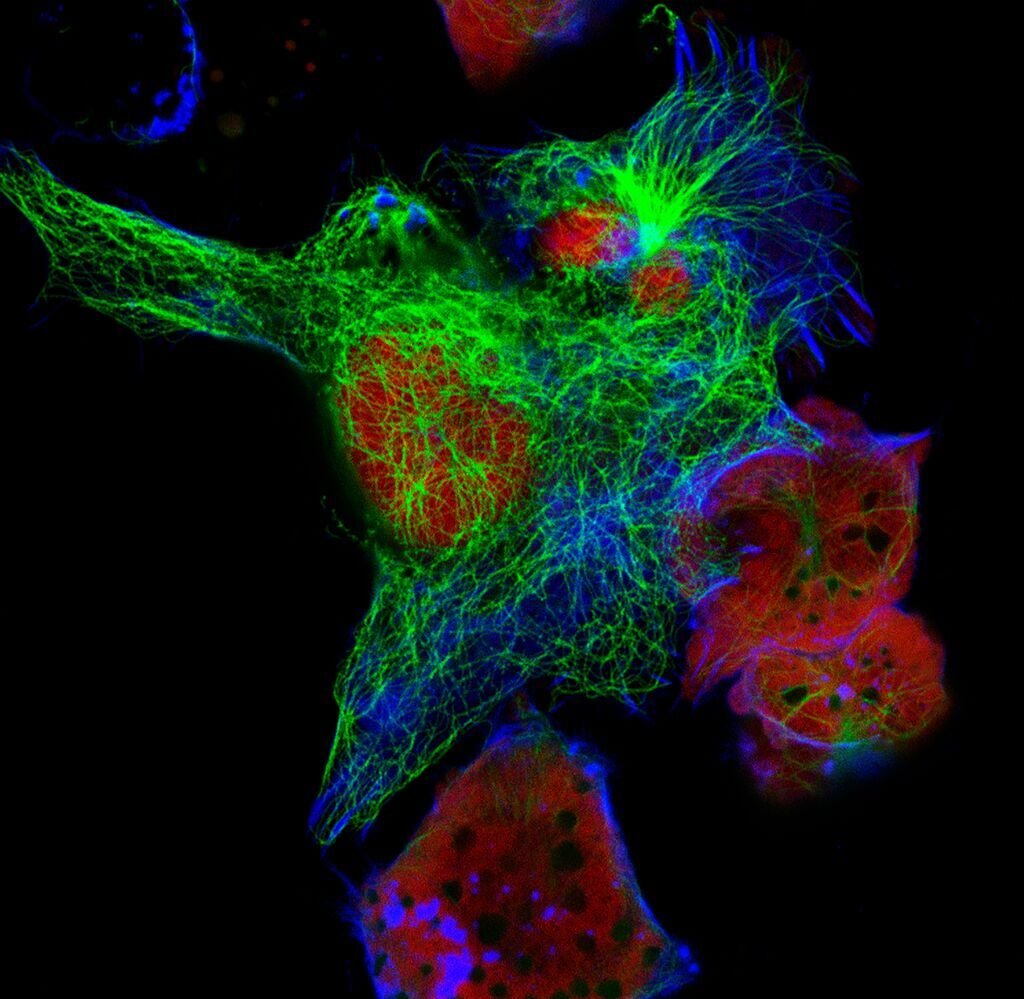
5618_Real fluorescence microscopic view of mice neuroblastoma cell line

Discovery Sciences

Syngeneic Mouse Models

Syngeneic models for immune-oncology drug discovery provide you with robust, translationally relevant systems for evaluating immunotherapies, combination therapies, targeted agents, and next-generation oncology treatments.

Developing effective cancer immunotherapies requires preclinical models that reflect the complex interactions between tumors and the immune system. As a leading preclinical oncology CRO, we support drug developers with comprehensive study design, in vivo pharmacology, biomarker analysis, immune profiling, and translational research capabilities that help de-risk development decisions and accelerate progression toward the clinic. Whether you are advancing a novel checkpoint inhibitor, cell therapy, antibody-based therapy, or targeted oncology program, our scientific teams deliver actionable data to support confident development milestones.

Common Syngeneic Mouse Models 

Explore characteristics and applications of common syngeneic mouse models for oncology drug discovery. Learn more about common syngenic mouse models by clicking on each model to the left.
4T1 Tumor Model

4T1 Tumor Model

The 4T1 syngeneic mouse tumor model is a widely used, immunocompetent, triple‑negative breast cancer model derived from BALB/c mice. It is characterized by aggressive primary tumor growth, spontaneous metastasis, and limited responsiveness to immune checkpoint inhibitors, making it a valuable system for evaluating refractory immuno‑oncology strategies and combination therapies.

    • Immunocompetent system – Enables evaluation of therapies in the presence of a fully functional immune system
    • Highly aggressive and metastatic – Mimics advanced breast cancer with lung metastases
    • Checkpoint inhibitor–refractory – Ideal for testing novel IO combinations beyond PD‑1 monotherapy
    • Well‑characterized benchmark model – Extensively used across immuno‑oncology research programs

Tumor Type Breast carcinoma
Cell Line 4T1 (including 4T1-luc variants)
Mouse Strain BALB/c
Immune Status Fully immunocompetent
Immune Checkpoint Inhibitor Sensitivity Refractory to anti‑PD‑1; limited response to ICI combinations
Metastasis Spontaneous lung metastases
B16f10 Tumor Model

 B16f10 Tumor Model 

The B16F10 tumor model is a widely used syngeneic melanoma model derived from murine melanoma cells and implanted in immunocompetent C57BL/6 mice. Characterized by aggressive tumor growth and poor responsiveness to immune checkpoint inhibition, this model serves as a stringent platform for evaluating novel immuno-oncology therapies. B16F10 is particularly valuable for investigating immune-resistant tumor biology, enabling robust assessment of therapeutic strategies designed to overcome resistance in the context of a fully functional immune system.

    • Immunocompetent system – Enables evaluation of therapies in the presence of a fully functional immune system
    • Native tumor–immune interactions – Supports assessment of checkpoint inhibitors and immune-modulating agents in vivo
    • Checkpoint inhibitor relevance – Facilitates evaluation of responses to anti-PD-1 and anti-CTLA-4 therapies
    • Immune resistance insights – Ideal for studying mechanisms of tumor immune evasion and refractory biology

Tumor Type Melanoma
Cell Line B16F10
Mouse Strain C57BL/6
Immune Status Fully immunocompetent
Immune Checkpoint Inhibitor Sensitivity Non-responsive to checkpoint inhibitors
Metastasis N/A
CT26 Tumor Model

 CT26 Tumor Model

The CT26 tumor model is a well-established syngeneic colorectal carcinoma model derived from murine colon carcinoma cells and implanted in immunocompetent BALB/c mice. Known for its high immunogenicity and strong responsiveness to immune checkpoint inhibitors, CT26 is widely used for evaluating immunotherapies and combination treatment strategies. This model provides a robust platform for studying tumor–immune system interactions, supporting both mechanistic research and translational development.

    • Immunocompetent system – Enables evaluation of therapies in the presence of a fully functional immune system
    • Checkpoint pathway relevance – Supports robust evaluation of PD-1 and CTLA-4 targeted therapies
    • Immunogenic tumor microenvironment – Allows investigation of immune activation and TIL-driven responses
    • Rational combination strategies – Enables development and optimization of combination immunotherapies
    • Translationally predictive biology – Provides proof-of-concept insights into immune-mediated tumor response

Tumor Type Colon carcinoma
Cell Line CT26
Mouse Strain BALB/c
Immune Status Fully immunocompetent
Immune Checkpoint Inhibitor Sensitivity Sensitive to PD-1 and CTLA-4 blockade
Metastasis N/A
EL4 Tumor Model

 EL4 Tumor Model

The EL4 syngeneic tumor model is a lymphoma model derived from the EL4 cell line and propagated in immunocompetent C57BL/6 mice. This model supports evaluation of tumor progression and therapeutic interventions within a fully functional immune system.

EL4 is characterized as a refractory model to immune checkpoint inhibition, demonstrating minimal responsiveness to anti-PD-1 and anti-CTLA-4 therapies. Its consistent lack of response in both monotherapy and combination settings makes it a robust system for studying resistance mechanisms in immuno-oncology.

    • Immunocompetent environment – Enables assessment of therapies within an intact and functional immune system
    • Checkpoint inhibitor evaluation – Supports testing of anti-PD-1 and anti-CTLA-4 therapies and combinations
    • Physiological tumor-immune interplay – Maintains native interactions between tumor and immune cells
    • Versatile study design – Compatible with multiple dosing routes and therapeutic strategies
    • Benchmarking capability – Provides a well-defined non-responsive model for comparative studies

Tumor Type Lymphoma
Cell Line EL4
Mouse Strain C57BL/6
Immune Status Immunocompetent
Immune Checkpoint Inhibitor Sensitivity No sensitivity to anti-PD-1 or anti-CTLA-4
Metastasis N/A

MC38 Tumor Model

MC38 Tumor Model

The MC38 syngeneic mouse tumor model is a well‑established, immunocompetent colorectal carcinoma model derived from C57BL/6 mice. Characterized by robust immune infiltration and strong responsiveness to immune checkpoint blockade, MC38 is widely used for evaluating immunotherapy mechanisms, combination strategies, and pharmacodynamic biomarkers.

    • Highly immunogenic tumor microenvironment – Enables clear assessment of immune‑mediated anti-tumor activity
    • Checkpoint inhibitor–responsive – Demonstrates strong responses to anti‑PD‑1, anti‑CTLA‑4, and combination therapy
    • Ideal for mechanism validation – Frequently used as a benchmark for IO proof‑of‑concept studies
    • Extensive translational data – Supports PD, biomarker, and immune profiling endpoints

Tumor Type Colorectal carcinoma
Cell Line MC38 (including MC38‑OVA variants)
Mouse Strain C57BL/6
Immune Status Fully immunocompetent
Immune Checkpoint Inhibitor Sensitivity Highly responsive to anti‑PD‑1 and anti‑CTLA‑4
Metastasis Rapid and reproducible subcutaneous growth
Renca Tumor Model

Renca Tumor Model

The Renca syngeneic tumor model is a renal cancer model derived from the Renca cell line and established in immunocompetent mice. This model enables evaluation of tumor growth and therapeutic response within a fully functional immune system.

Renca is classified as a refractory model to immune checkpoint inhibition, demonstrating minimal response to standard anti-PD-1 and anti-CTLA-4 therapies in established tumor settings. Notably, therapeutic response is only observed when treatment is initiated prior to palpable tumor formation, making it a stringent model for assessing early intervention strategies.

    • Immunocompetent system – Enables evaluation of therapies in the presence of a fully functional immune microenvironment
    • Checkpoint inhibitor relevance – Supports assessment of anti-PD-1 and anti-CTLA-4 therapies and combinations
    • Translatable immune interactions – Preserves tumor-immune system dynamics critical for immuno-oncology research
    • Flexible study design – Compatible with a range of dosing strategies and therapeutic modalities
    • Established benchmarking – Well-characterized responses to standard immunotherapies enable comparative studies

Tumor Type Renal
Cell Line Renca
Mouse Strain C57BL/6
Immune Status Immunocompetent
Immune Checkpoint Inhibitor Sensitivity Low sensitivity to anti-PD-1 and anti-CTLA-4
Metastasis N/A
Website Featured Image_PNG-5643_3D rendered illustration of leukocytes attacking a cancer cell

Accelerating Oncology Drug Discovery with Syngeneic Mouse Models

Syngeneic mouse models remain a cornerstone of immuno-oncology research because they enable evaluation of therapeutic efficacy within a fully functional immune system. Unlike traditional xenograft models, syngeneic models preserve critical immune interactions that influence tumor growth, response, resistance mechanisms, and treatment outcomes. This makes syngeneic models ideal for application in immune checkpoint inhibitor studies, combination immunotherapy evaluation and tumor microenvironment characterization.

Our oncology research teams leverage validated tumor models across multiple cancer indications to generate high-quality efficacy, pharmacodynamic, and mechanistic data that inform candidate selection and development strategies.

Translational Immuno-Oncology Expertise

Successful oncology drug development requires confidence that preclinical findings can inform clinical decisions. Our immuno-oncology platform is designed to generate translational insights across diverse modalities and mechanisms of action. By combining disease biology expertise with advanced analytics, we help sponsors understand not only whether a therapy works, but why it works and how it can be positioned for clinical success.

Immuno-oncology platform
Areas of Research
Therapeutic Modalities

Immuno-oncology platform

  • Immunocompetent mouse models
  • Tumor microenvironment analysis
  • Gene expression profiling
  • Cytokine and immune response assessment
  • Multi-omics integration
  • Translational biomarker discovery
  • PK/PD integration

Areas of Research

  • Solid tumor oncology
  • Hematologic malignancies
  • Immuno-oncology
  • Tumor immunology
  • Precision oncology
  • Translational medicine

Therapeutic Modalities

  • Immune checkpoint inhibitors
  • Monoclonal antibodies
  • Bispecific antibodies
  • Antibody-drug conjugates
  • Cell therapies
  • Small molecules
  • Protein degraders
  • Cancer vaccines
  • Combination therapies

Why Partner With Our Preclinical Oncology Team?


Scientific Expertise

Our oncology scientists possess extensive experience supporting programs from target validation through IND-enabling development.

Translational Focus

Studies are designed to generate clinically relevant insights that support decision making across the development continuum.

Flexible Partnership Models

From single-study projects to fully integrated drug discovery programs, we tailor engagement models to your goals.

Quality and Reproducibility

Standardized study execution, rigorous quality processes, and robust data interpretation support confident development decisions.

End-to-End Support

Integrated capabilities spanning disease biology, pharmacology, biomarkers, bioanalysis, and translational sciences.

Frequently Asked Questions About Syngeneic Mouse Models

What are syngeneic mouse models?

A syngeneic mouse model is a preclinical cancer model in which tumor cells are implanted into immunocompetent mice with the same genetic background. These models enable researchers to evaluate immunotherapies and oncology drug candidates in the presence of a functional immune system.

Why are syngeneic mouse models important for immuno-oncology research?

Syngeneic models allow drug developers to evaluate how immune cells interact with tumors and respond to therapy. They are particularly valuable for assessing checkpoint inhibitors, combination therapies, and emerging immunomodulatory approaches.

When should I use a syngeneic model instead of a xenograft model?

Syngeneic models are often preferred when immune response is a critical component of therapeutic activity. Xenograft models may be more appropriate for studies focused on human tumor biology that do not require a fully functional immune system.

What endpoints can be evaluated in syngeneic mouse studies?

Common endpoints include tumor growth inhibition, survival, immune cell infiltration, cytokine expression, pharmacodynamic biomarkers, target engagement, and molecular profiling.

Can syngeneic models support translational biomarker development?

Yes. Syngeneic studies can incorporate genomics, transcriptomics, immunophenotyping, and biomarker analysis to identify signatures that may inform clinical development strategies.

How do syngeneic mouse models support oncology drug discovery?

They help researchers evaluate efficacy, mechanism of action, immune activation, resistance pathways, and combination strategies during lead optimization and preclinical development.