Oncology Assays
Oncology Assays Designed to Improve the Probability of Clinical Success
Every oncology development program begins with a series of critical decisions. Which target should be prioritized? Which mechanism offers the strongest biological rationale? Which therapeutic candidate has the greatest potential to benefit patients? The answers to these questions are rarely found through data alone. They emerge from the combination of clinically relevant biology, translational expertise, and robust experimental evidence.
Our oncology assays help pharmaceutical and biotechnology companies make better decisions earlier in drug discovery. By combining human-relevant cancer models, drug-hunter expertise, advanced analytics, and clinically informed translational strategies, we generate insights that help identify therapeutic candidates with the highest probability of success in the clinic.
Oncology Assay Solutions Built Around Human-Centric Biology
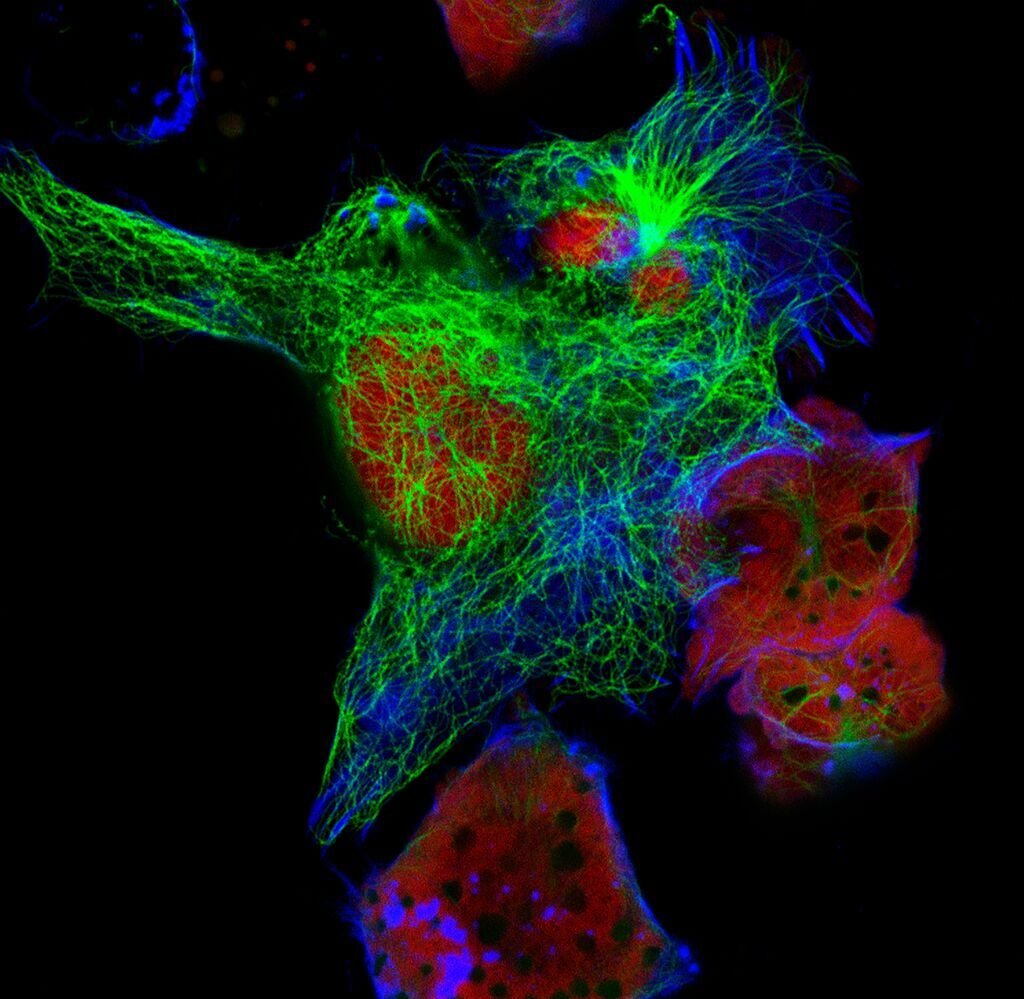
Cancer biology is complex. Successful oncology therapies must interact not only with tumor cells, but also with immune cells, stromal components, and the broader tumor microenvironment. Our oncology cell-based assays leverage human-relevant systems that better reflect the biological complexity observed in patients. These extensive capabilities provide biologically meaningful insights that support confident progression decisions throughout drug discovery.
Matched cell line and PDX models enable seamless progression across 2D in vitro, 3D ex vivo, and in vivo assays. With over 1,200 PDX models, 600 commercial tumor cell lines, and a growing organoid bank, screening strategies can be tailored for translational relevance. Assay formats span 3D spheroids, organoids, and 2D immune cell killing platforms, supported by advanced endpoints such as live-cell imaging, cytokine profiling, and genomic analysis.
3D Tumor Assays
Evaluate therapeutic performance in physiologically relevant three-dimensional tumor systems.
In vitro Immuno-Oncology Assays
Measure immune activation, cytotoxicity, tumor killing, and response mechanisms in immune cell assays
In vitro PDX Assays
Utilize patient-derived xenograft models to evaluate efficacy in clinically relevant biological systems.
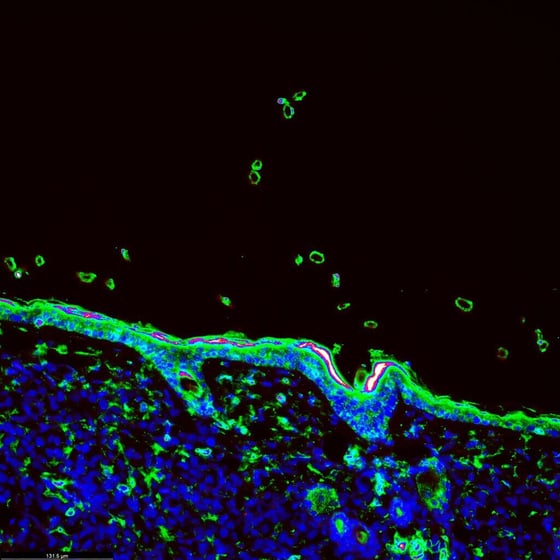
Tumor Microarrays
Assess biomarker expression and translational relevance across diverse tumor tissues.
In vitro CAR-T Cell Testing
Characterize cell therapy functionality, persistence, and anti-tumor activity.
Clinical Insight Integrated Into Oncology Drug Discovery
Traditional discovery approaches often treat preclinical research and clinical development as separate activities. We believe the most effective drug discovery strategies begin with an understanding of the biology, patient populations, and translational challenges that ultimately determine clinical success.
Our oncology assay and in vivo model platforms are designed to help researchers answer critical questions early. Through clinic-informed discovery strategies, we help teams prioritize the opportunities most likely to succeed while reducing program risk.
- Is this mechanism biologically relevant in human disease?
- Does the therapeutic demonstrate meaningful anti-tumor activity?
- Which patient populations are most likely to benefit?
- What biomarkers may support successful translation?
- Which candidates should advance and which should not?

Oncology Assays for Combination Therapy Screening
Combination therapy is a key strategy to increase efficacy in oncology drug discovery, by targeting more than one molecule target, to increase efficacy and overcome drug resistance mechanisms. The most common combination in clinical trials is immune checkpoint inhibitors to PD-1 and CTLA-4, but drug combinations can include checkpoint agonists, cancer vaccines, other immunomodulatory agents, and more traditional options such as chemotherapy. Drug combination screening in cancer cell-based assays assesses the synergistic and antagonistic interactions between combined therapies, allowing us to identify combinations which will increase the efficacy of novel cancer therapies.
We have developed several relevant two-drug combination therapy screening formats to profile combinations of known and novel therapeutics. Combination therapy cancer assays can utilize both 2D and 3D assay formats.
Oncology Assays That Support Smarter Candidate Selection
The costliest mistake in oncology drug development is advancing the wrong candidate. By combining rigorous biological testing with translational insight, we help organizations make more informed decisions at every stage of the discovery process.
Our oncology assay strategy focuses on generating decision-ready evidence that enables you to:
Prioritize High-Potential Therapeutic Candidates
Identify compounds with the strongest biological rationale and translational promise.
Reduce Development Risk
Detect potential efficacy and translation challenges earlier in development.
Strengthen Translational Confidence
Generate data that supports progression from in vitro discovery through preclinical and clinical development.
Optimize Resource Allocation
Focus investment on programs with the greatest probability of success.
Why Partner With IQVIA Laboratories for Oncology Assays?
We do more than generate oncology assay data. We help drug developers understand what the data means, how it affects clinical translation, and which path offers the greatest opportunity to deliver meaningful outcomes for patients.
Our approach combines:
- Clinical insight at the earliest stages of discovery
- Human-centric biology
- Experienced drug-hunter expertise
- Translational oncology strategy
- AI-assisted scientific insights
- Decision-focused study design
- Integrated discovery and development thinking
Frequently Asked Questions
What are oncology assays?
Oncology assays are experimental studies used to evaluate biological activity, mechanism of action, therapeutic efficacy, and translational potential of cancer therapies during drug discovery and preclinical development.
What are oncology cell-based assays?
Oncology cell-based assays use human cancer cells, immune cells, and advanced co-culture systems to understand how potential therapies interact with tumors and the tumor microenvironment.
Why are clinically informed oncology assays important?
Clinically informed oncology assays help connect discovery activities with future clinical goals. They can improve decision-making, support biomarker strategies, and increase confidence in candidate selection.
How do oncology assays support translational research?
Translational oncology assays generate evidence that helps predict how a therapy may perform beyond basic laboratory models, supporting progression toward preclinical and clinical development.
What types of therapies can be evaluated?
Our oncology assay platforms support:
- Small molecules
- Biologics
- Antibody-drug conjugates
- Bispecific antibodies
- Cell therapies
- CAR-T therapies
- TCR therapies
- Immune-modulating therapeutics
- Combination therapies
How can oncology cell-based assays improve candidate selection?
By generating biologically relevant and clinically informed data earlier in development, oncology cell-based assays help research teams prioritize candidates that demonstrate the strongest potential for patient impact and clinical success.