
Parkinson’s Disease Drug Discovery Services
Accelerate Parkinson's disease drug discovery with integrated preclinical CRO services, including in vitro assays, translational models, biomarker analysis, efficacy studies, and deep neuroscience expertise.
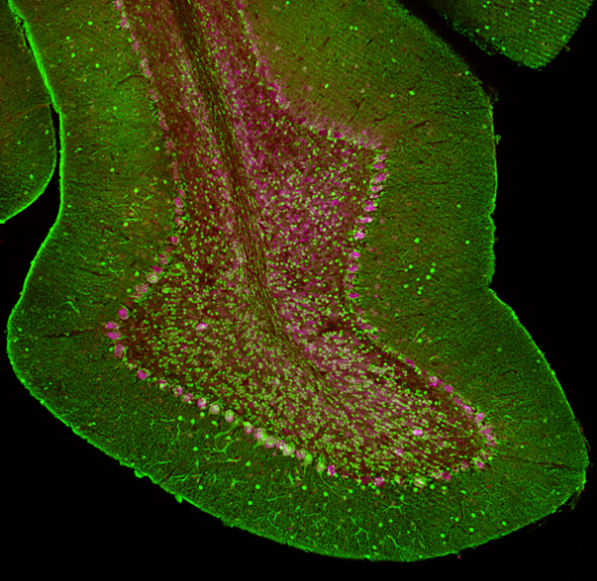
Parkinson's disease is a multifactorial neurodegenerative disorder involving alpha-synuclein pathology, neuroinflammation, mitochondrial dysfunction, lysosomal impairment, and progressive dopaminergic neuron loss. Successful drug discovery requires preclinical models and assays that accurately reflect disease-relevant biology and generate translational insights, enabling progression through drug discovery to clinic-ready candidates.
Integrated In Vitro and In Vivo Parkinson’s Disease Capabilities
Our integrated Parkinson's disease drug discovery services support drug developers from target validation through candidate selection. By combining disease-relevant in vitro assays, validated in vivo models, biomarker analysis, behavioral assessments, imaging, and bioanalytical endpoints, we help enable confident preclinical decision-making.
Parkinson's Disease In Vitro Models and Assays
Our in vitro models and assays for Parkinson’s drug discovery include:
- Human iPSC-derived dopaminergic neurons, microglia and astrocytes
- Cell lines harboring disease-relevant mutations, as well as healthy controls
- In-house differentiation of patient-derived or client-provided stem cells
- Exogenous expression of disease genes in immortalized cell lines
- Readouts of alpha-synuclein aggregation and pathology, mitophagy processes and neuroinflammation
- Functional analysis of neuronal function, via multi-electrode array electrophysiology
- Transcriptomic and protein biomarker assessment
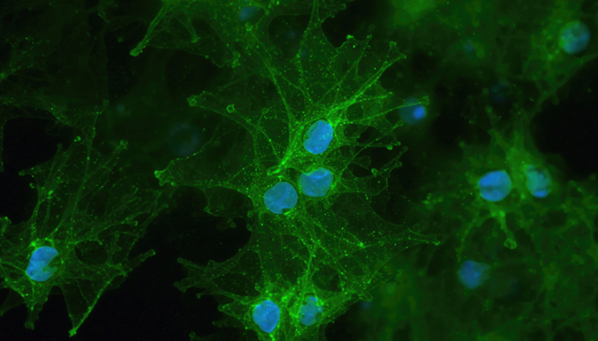
Parkinson's Disease In Vivo Models
Our in vivo models and technologies for Parkinson’s drug discovery include:
-
MPTP mouse and 6-OHDA rat models
- AAV alpha-synuclein models
- PINK1/PARK2 knockout transgenic models
- Fine gait and motor kinematic analysis
- In vivo imaging of dopaminergic system
- PK/PD assessment and biodistribution studies
- Ex vivo bioanalysis of biomarkers such as alpha-synuclein pathology, tyrosine hydroxylase, dopamine and monoamines, neurofilament light (NfL) and neuroinflammation markers.
The Need for Parkinson’s Disease Drug Discovery
While loss of dopaminergic neurons is the hallmark of Parkinson’s disease pathology and the cause of motor symptoms, the pathology of Parkinson's disease extends beyond this and involves a complex network of interconnected biological pathways. This heterogeneity means that preclinical programs often require multiple complementary models and assays to understand therapeutic activity and establish translational confidence before entering clinical development.
Although dopamine replacement therapies provide symptomatic benefit, these approaches do not address the underlying disease process. As a result, significant effort is focused on developing disease-modifying therapies capable of slowing, halting, or preventing neurodegeneration.

Parkinson's Disease Biology and Drug Discovery Challenges
Parkinson's disease is the second most common neurodegenerative disorder and affects millions of people worldwide. The disease is characterized by progressive degeneration of dopaminergic neurons within the substantia nigra pars compacta, resulting in depletion of dopamine signaling throughout the basal ganglia network, which contributes to the hallmark motor symptoms of Parkinson's disease, including bradykinesia, rigidity, resting tremor, and postural instability. Alongside loss of dopamine neurons, protein aggregation, mitochondrial dysfunction, neuroinflammation, lysosomal impairment, oxidative stress, and altered neuronal connectivity have all been implicated in Parkinson’s disease progression. Emerging evidence also suggests a role for peripheral mechanisms including immune dysregulation and gut-brain axis interactions.
Alpha-synuclein aggregation is considered one of the central molecular hallmarks of Parkinson's disease. Misfolded alpha-synuclein proteins accumulate within neurons and form intracellular inclusions known as Lewy bodies and Lewy neurites. These pathological aggregates may impair cellular function, disrupt neuronal communication, trigger neuroinflammatory responses, and contribute to progressive neuronal loss.
Therapeutic strategies targeting alpha-synuclein include:
- Aggregation inhibitors
- Anti-alpha-synuclein antibodies
- Vaccines
- Gene silencing approaches
- Clearance and degradation enhancers
Neuroinflammation is increasingly recognized as a major contributor to Parkinson's disease progression. Activated microglia and astrocytes release inflammatory mediators that may accelerate neuronal damage and amplify existing pathology. The interaction between protein aggregation and chronic inflammation is believed to create a self-sustaining cycle of neurodegeneration.
Many drug discovery programs now evaluate:
- Microglial activation
- Cytokine signaling
- Innate immune pathways
- Neuroimmune interactions
Mitochondrial dysfunction is one of the earliest pathological features observed in Parkinson's disease. Defects in mitochondrial quality control reduce neuronal energy production and increase oxidative stress, making dopaminergic neurons particularly vulnerable to injury. Genetic mutations affecting PINK1 and PARK2 further support the critical role of mitophagy in disease progression.
This biology has generated significant interest in therapies designed to:
- Improve mitochondrial function
- Restore mitophagy
- Reduce reactive oxygen species
- Preserve neuronal viability
Approximately 10% of Parkinson's disease cases are linked to inherited genetic mutations. Research into these pathways has transformed understanding of disease biology and enabled development of genetically informed therapeutic strategies. These pathways continue to serve as major areas of therapeutic investigation for both precision medicine and disease-modifying drug development.
Important disease-associated genes include:
- LRRK2
- GBA1
- SNCA
- PINK1
- PARK2 (Parkin)
- DJ-1
