
IQVIA Logo
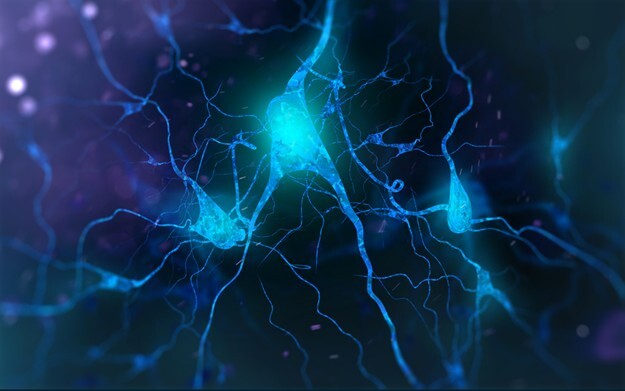
5615_Neuron cells with glowing link knots. 3D illustration

Alzheimer’s Disease Drug Discovery Services
Combining in vitro and in vivo models, disease-relevant and translational readouts and deep disease expertise, we generate decision-making data to drive your Alzheimer’s drug discovery forward.


Advancing Alzheimer's disease therapeutics requires translational models that connect biology, pharmacology, biomarkers, and clinical relevance. Our integrated Alzheimer's disease drug discovery services support biopharma partners from target validation through lead optimization and preclinical efficacy assessment. We combine human-relevant in vitro systems, validated animal models, biomarker analysis, advanced imaging, and pharmacology expertise to generate the data needed to make confident development decisions and advance promising therapies toward clinical testing. 


Integrated In Vitro and In Vivo Alzheimer's Disease Capabilities

Alzheimer’s disease is a complex, multifactorial disorder that requires drug discovery programs that integrate in vitro and in vivo models, translational assays and readouts, and validated biomarkers. We provide a comprehensive platform of experimental systems designed to evaluate mechanisms of action, demonstrate target engagement, and characterize therapeutic efficacy in Alzheimer’s drug discovery.

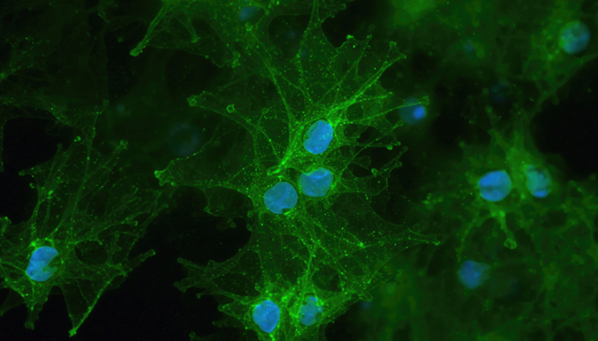
5614_GFAP stained astrocytes

In Vitro Models and Assays

Our in vitro models and assays for Alzheimer’s disease drug discovery include:

  • iPSC-derived cortical glutamatergic and GABAergic neurons, astrocytes and microglia
  • Human post-mortem isolated microglia and astrocytes, as well as frozen brain tissues
  • Multi-cellular culture of neurons, microglia and astrocytes, which more accurately reflects physiological and disease processes
  • Neuroinflammation and neurotoxicity models
  • Readouts of amyloid, tau, and neuroinflammatory pathologies
  • Functional analysis of neuronal function, via multi-electrode array electrophysiology
  • Transcriptomic and protein biomarker assessment, including neurofilament light chain (NfL)
Explore In Vitro Models
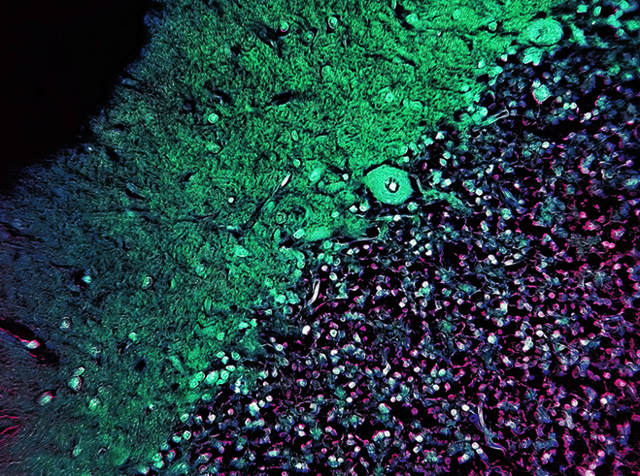
5617_Purkinje cells cerebellum, histology microscopic view neurons

In Vivo Models and Readouts

Our in vivo models and technologies for Alzheimer’s disease drug discovery include:

  • 5xFAD and Tg2576 amyloid pathology models
  • PS19 (P301S) tau pathology model
  • Aged and pharmacologically-induced models of cognitive decline
  • Behavioral tests for cognition, learning and memory
  • Translational imaging of cerebral atrophy, vascular reactivity, ARIA pathology, neurometabolites and blood-brain barrier permeability
  • Assessment of amyloid, tau, and neuroinflammatory pathologies
  • PK/PD assessment and biodistribution studies
 

Explore In Vivo Models
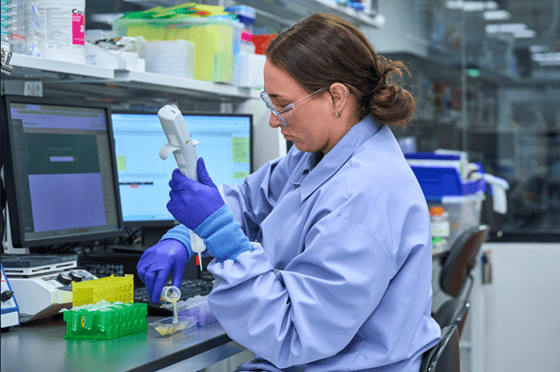
3732_Custom Photo_Laboratory professionals

Biomarkers Bridge Alzheimer’s Drug Discovery and Clinical Development

Biomarkers play a critical role in understanding disease progression, pharmacodynamic activity, and clinical translation. In drug discovery, translational biomarkers are measurable biological signals and should bridge preclinical research and clinical trials. Integrated biomarker strategies can help establish proof of mechanism, support candidate selection, and strengthen translational confidence. For Alzheimer’s disease drug discovery, we support common biomarkers such as amyloid beta aggregation and oligomer species, Tau and phosphorylated tau, neurofilament light chain (NfL), and neuroinflammatory biomarkers, as well as omics-based biomarker discovery.

A Translational Approach to Alzheimer's Drug Discovery

No single model fully recapitulates the complexity of Alzheimer's disease. Successful discovery strategies increasingly integrate human-relevant in vitro systems with validated in vivo models and translational biomarkers to evaluate therapeutic candidates across multiple dimensions of disease biology. Our approach combines human iPSC-derived cellular models, neuroinflammation and co-culture platform, amyloid and tau-focused assays, transgenic models, advanced neuroimaging, fluid and tissue biomarker analysis. This integrated framework allows you to assess target engagement, pharmacodynamic activity, efficacy signals, and translational relevance throughout the drug discovery process. 

5613_Neural network of the brain. 3D illustration


Understanding Alzheimer's Disease Pathology


Alzheimer's disease (AD) is the most common neurodegenerative disorder and accounts for approximately 60-70% of dementia cases worldwide. The disease is characterized by progressive cognitive decline, memory impairment, and loss of functional independence, ultimately resulting from widespread neuronal dysfunction and degeneration. 
Although Alzheimer's disease has traditionally been defined by the accumulation of amyloid plaques and neurofibrillary tangles, current research supports a multifactorial disease model involving amyloid pathology, tau dysfunction, neuroinflammation, synaptic failure, lipid dysregulation, mitochondrial impairment, vascular changes, and alterations in innate immune signaling. For drug developers, this biological complexity presents both challenges and opportunities. Therapeutic programs increasingly target multiple pathways across disease initiation, progression, and neurodegeneration, requiring translational models and assays that recapitulate and measure diverse disease mechanisms.


Amyloid Pathology
Tau Pathology
Neuroinflammation and Innate Immunity
Synaptic Dysfunction and Neurodegeneration
Genetic Risk Factors and Disease Susceptibility
The amyloid hypothesis remains one of the most extensively studied mechanisms in Alzheimer's disease.

Abnormal processing of amyloid precursor protein (APP) leads to the production and accumulation of beta-amyloid (Aβ) peptides, particularly Aβ42, which aggregate into soluble oligomers and eventually form extracellular amyloid plaques. Evidence suggests that soluble amyloid oligomers may contribute to synaptic dysfunction and neuronal injury before plaque formation becomes apparent. Mutations in APP, PSEN1, and PSEN2 are associated with familial forms of Alzheimer's disease and have informed the development of widely used transgenic models, including 5xFAD and Tg2576 mice.
 
Drug discovery programs targeting amyloid biology commonly focus on:

•    Aβ production
•    Aβ aggregation
•    Plaque reduction
•    Amyloid clearance
•    Secretase modulation
•    Antibody-mediated mechanisms
Tau pathology is strongly associated with disease progression and neurodegeneration.

Under physiological conditions, tau supports microtubule stability within neurons. In Alzheimer's disease, tau becomes hyperphosphorylated and aggregates into intracellular neurofibrillary tangles. These pathological tau species contribute to neuronal dysfunction, synaptic loss, and cell death.

Emerging evidence suggests pathological tau may spread between interconnected neuronal networks, correlating closely with cognitive decline and disease severity. As a result, tau-directed therapeutics have become a major focus of Alzheimer's drug discovery efforts. Tau-directed programs are frequently evaluated using the PS19 (P301S) transgenic tau model. 

Common therapeutic approaches include:
•    Anti-tau antibodies
•    Tau aggregation inhibitors
•    Antisense oligonucleotides
•    Gene therapies
•    Small molecule modulators

Neuroinflammation is increasingly recognized as a key driver of Alzheimer's disease progression.

Microglia and astrocytes play central roles in maintaining central nervous system homeostasis. During disease progression, these cells can become activated in response to amyloid plaques, tau pathology, and neuronal injury, leading to chronic inflammatory signaling and tissue damage. 


Genetic studies have highlighted the importance of immune-related genes, including TREM2, CD33, and APOE, further supporting the role of innate immunity in Alzheimer's disease pathogenesis. 

This growing understanding has driven increased investment in therapies targeting:

•    Microglial activation
•    Inflammasome signaling
•    Cytokine pathways
•    Complement activation
•    Neuroimmune interactions

Loss of synaptic connectivity is one of the strongest biological correlates of cognitive decline in Alzheimer's disease.

Synaptic impairment can occur early in disease progression and may precede significant neuronal loss. 
Dysfunctional neuronal signaling, reduced network connectivity, and alterations in neurotransmitter systems contribute to progressive cognitive impairment.
 
Monitoring neuronal function, network activity, and biomarkers of neurodegeneration is therefore critical when evaluating the therapeutic potential of candidate compounds.

Relevant discovery endpoints include:

•    Neurofilament light chain (NfL)
•    Electrophysiological activity
•    Calcium signaling
•    Neurite morphology
•    Cognitive performance
•    Neuroimaging biomarkers

While early-onset Alzheimer's disease is linked to highly penetrant mutations in APP, PSEN1, and PSEN2, the majority of patients develop late-onset sporadic disease.

Several genetic variants are associated with increased disease risk, including:

•    APOE ε4
•    TREM2
•    ABCA7
•    SORL1
•    CR1
•    CLU
•    BIN1
•    CD33

These genes influence multiple biological processes, including amyloid processing, immune regulation, lipid metabolism, endosomal trafficking, and cellular stress responses. Understanding how these pathways interact remains a central focus of modern Alzheimer's disease drug discovery.

Frequently Asked Questions About Alzheimer’s Disease Drug Discovery

What models are commonly used in Alzheimer's drug discovery?

Commonly used models include 5xFAD mice, Tg2576 mice, PS19 (P301S) tau mice, aged rodents, and human iPSC-derived neuronal systems.

Which Alzheimer's model is best for amyloid-targeting therapeutics?

Amyloid-focused programs frequently utilize 5xFAD and Tg2576 models because both develop robust amyloid pathology, measurable cognitive impairment and deficits in cerebral blood flow and vascular reactivity. 

Which model is most appropriate for tau-targeting drugs?

PS19 (P301S) mice are widely used to study tau pathology and evaluate anti-tau therapeutic strategies.

What causes Alzheimer's disease?

Alzheimer's disease results from complex interactions between amyloid accumulation, tau pathology, neuroinflammation, genetic susceptibility, synaptic dysfunction, and age-related biological changes. Current evidence suggests multiple disease mechanisms contribute to progression. 

What are the hallmarks of Alzheimer's disease?

The two classical hallmarks are extracellular amyloid plaques and intracellular neurofibrillary tangles composed of hyperphosphorylated tau protein. Neuroinflammation, synaptic loss, and neurodegeneration are also key pathological features. 

Why are multiple Alzheimer's disease models needed in drug discovery?

Different experimental models reproduce different aspects of disease biology. Amyloid models such as 5xFAD and Tg2576 are commonly used to evaluate amyloid-targeting therapies, while PS19 (P301S) models are often selected for tau-focused programs. Human cell-based systems provide complementary mechanistic and translational insights.