

Neuroscience Drug Discovery Services
As neurological disorders continue to represent some of the greatest challenges in drug discovery and development, researchers need more predictive models, deeper mechanistic understanding, and integrated development strategies to improve clinical success.
The future of neuroscience drug discovery depends on connecting disease biology, translational science, and clinical insight. IQVIA Laboratories Discovery Sciences' neuroscience drug discovery capabilities help you advance therapies across neurodegenerative, psychiatric, and neuroimmune diseases as well as brain injury disorders. By combining human-relevant in vitro systems, translational pharmacology, advanced biomarkers, and disease-focused expertise, we generate evidence that informs confident decision-making from target discovery through candidate selection and validation.
Therapeutic Areas Supported by Our Neuroscience Drug Discovery Services
Our expert terms support a broad range of neuroscience indications using tailored study designs, validated models, and disease-specific endpoints.
Alzheimer's Disease
Advance programs targeting neurodegeneration, amyloid biology, tau pathology, inflammation, and cognitive decline through integrated in vitro and in vivo approaches.
Amyotrophic Lateral Sclerosis (ALS)
Evaluate novel treatment strategies using disease-relevant cellular systems, transgenic models, and functional endpoints that assess motor performance and disease progression.
Epilepsy
Support seizure research with ion channel assays, electrophysiology, EEG capabilities, and disease-relevant pharmacology models.
Huntington's Disease
Investigate therapeutic approaches that target huntingtin biology, neuronal function, and disease progression using a range of validated research tools.
Migraine
Advance migraine therapies with translational models and functional endpoints designed to evaluate pain pathways, neurovascular mechanisms and treatment response.
Multiple Sclerosis
Assess remyelination, neuroprotection, and immune-mediated mechanisms using integrated cellular and in vivo research platforms.
Neuroinflammation
Characterize inflammatory pathways and therapeutic responses through advanced cellular models and functional assays that reflect the complexity of neuro-immune biology.
Pain
Evaluate acute, chronic, and neuropathic pain mechanisms through validated models, translational endpoints, and advanced technologies.
Parkinson's Disease
Support therapies addressing alpha-synuclein aggregation, mitochondrial dysfunction, neuroinflammation, and neuronal loss using translational cellular assays and preclinical models.
Psychiatric Disorders
Support the development of novel psychiatric treatments through integrated behavioral, cognitive and translational neuroscience approaches that help characterize efficacy, mechanism of action and therapeutic potential.
Rare diseases
New technologies, therapeutic approaches and biological insights drive innovation in rare and N = 1 drug discovery, with the goal of reducing drug discovery and development times.
Spinal Cord Injury
Investigate regenerative and neuroprotective strategies using preclinical spinal cord injury models that assess functional recovery, neuronal repair and neurological outcomes.
Stroke and Ischemia
Evaluate candidate therapies in clinically relevant stroke and ischemia models that measure neuroprotection, functional outcomes and biomarkers associated with disease progression and recovery.
Traumatic Brain Injury
Accelerate traumatic brain injury research with translational models and advanced endpoints that provide insight into neuroinflammation, tissue damage, cognitive impairment and therapeutic efficacy.
Advanced Technologies
Translational In Vivo Imaging
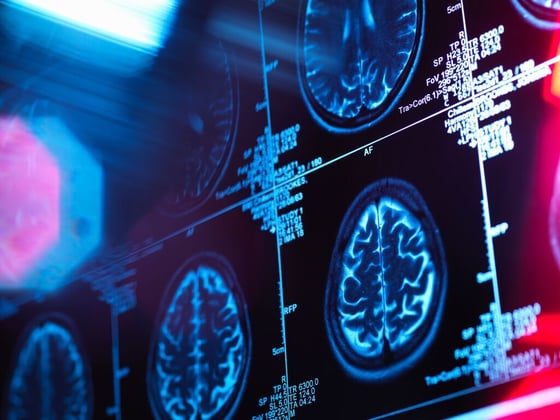
Advanced imaging techniques, like MRI, PET, and functional ultrasound, enable translational investigation of drug effects on disease pathology, brain function and anatomy, cerebral metabolism, and the cerebrovasculature. The non-invasive nature of imaging technologies allows for the longitudinal tracking of drug effect or disease progression in the same individual over time.
Neuroscience Drug Discovery Technologies
That Improve Translational Confidence
Modern neuroscience research increasingly depends on combining biological models with advanced analytical technologies.
Our capabilities include:
Comprehensive methods covering general welfare, locomotion and motor function, cognition, learning and memory, as well as anxiety and depression-like behaviors, enable exploration of therapeutic potential.
Identify and validate biomarkers that enhance translational relevance and serve as measurable indicators of therapeutic activity.
Assess neuronal function, connectivity, and drug response using high-throughput screening, in vitro, and in vivo techniques that provide mechanistic insights into neuron activity.
Generate multiparametric data to quantify cellular responses, disease biomarkers, and treatment effects within complex biological systems.
Characterize neurotransmitter levels and pharmacodynamic responses to support target engagement and dose optimization strategies.
Why Neuroscience Drug Discovery Requires a Different Approach
Despite significant advances in genetics, imaging, biomarkers, and data science, neuroscience remains one of the most complex areas of drug discovery and development. Disease mechanisms often involve multiple biological pathways, patient populations can be heterogeneous, and challenges remain in translating preclinical findings into clinical outcomes.
Successful neuroscience drug discovery requires:
-
Human-relevant cellular systems
-
Robust disease-relevant models
-
Translational biomarkers
-
Functional and mechanistic endpoints
-
Integrated pharmacology expertise
-
Data-driven development strategies
By evaluating therapeutic candidates through unique and expertly designed programs, we leverage our diverse portfolio of models, assays, and technologies to help you better understand target engagement, mechanism of action, and potential clinical relevance before advancing development programs.
End-to-End Neuroscience Drug Discovery Capabilities
Our integrated neuroscience platform supports research programs from early discovery through preclinical development.
Target Identification and Validation
Establish confidence in novel targets through biologically relevant assays, translational biomarkers, and disease-focused experimental systems. Early validation helps prioritize the most promising therapeutic approaches and supports more efficient decision-making.
Lead Discovery and Optimization
Evaluate and refine candidates using screening platforms, mechanistic assays, and advanced pharmacology studies designed to characterize efficacy, selectivity, and biological activity.
Translational Pharmacology
Generate insights that strengthen the connection between preclinical findings and clinical outcomes through biomarker strategies, functional assessments, and human-relevant model systems.
Innovating for the Future of Neuroscience Drug Discovery
As precision medicine, advanced therapies, and AI-enabled research transform CNS development, drug discovery organizations must generate evidence that is more predictive, connected, and clinically relevant.
Some of our areas of innovation include:
- AI and ML-enabled workflows for complex in vivo imaging and behavior data ensure refined, robust and reproducible data analysis
- Validation of clinically relevant drug delivery methods for advanced modalities like RNA therapeutics and gene therapies
Why Partner with IQVIA Laboratories Discovery Sciences
IQVIA Laboratories Discovery Sciences combines deep therapeutic expertise, data science, translational research capabilities, and global development experience to support progress and innovation in neuroscience drug discovery. Our collaborative model helps sponsors navigate scientific complexity, reduce development risk, and accelerate the path from discovery to clinical impact.
Whether you are developing small molecules, biologics, gene therapies, RNA-based therapeutics, or novel modalities, our teams provide the scientific insight and operational support needed to advance neuroscience programs with confidence.
Frequently Asked Questions
What is neuroscience drug discovery?
Neuroscience drug discovery is the process of identifying, validating, optimizing, and advancing therapies for neurological and neurodegenerative disorders. It combines disease biology, pharmacology, translational research, and biomarker strategies to support the development of new CNS treatments.
Why is neuroscience drug discovery challenging?
Neurological diseases often involve complex biological pathways, diverse patient populations, and limited translational predictability. These factors contribute to longer development timelines and higher failure rates than many other therapeutic areas.
What therapeutic areas are included in neuroscience drug discovery?
Neuroscience drug discovery encompasses disorders such as Alzheimer's disease, Parkinson's disease, ALS, Huntington's disease, multiple sclerosis, epilepsy, neuroinflammation, pain disorders, migraine, traumatic brain injury, and psychiatric conditions.
Why are translational models important in neuroscience research?
Translational models help bridge the gap between laboratory findings and clinical outcomes. They provide insights into disease mechanisms, therapeutic activity, and biomarkers that may predict patient responses.
What types of technologies support neuroscience drug discovery?
Common technologies include electrophysiology, biomarker analysis, high-content imaging, MRI, microdialysis, neurochemistry assessments, behavioral testing, and advanced molecular profiling tools.
How does IQVIA Laboratories Discovery Sciences support neuroscience drug discovery programs?
IQVIA Laboratories Discovery Sciences supports neuroscience programs through integrated discovery and development strategies, combining scientific expertise, translational research, advanced analytics, and therapeutic-area knowledge to help clients accelerate innovation and improve decision-making across the development lifecycle.
How can neuroscience drug discovery programs improve success rates?
Programs that combine human-relevant models, translational biomarkers, multimodal data generation, and disease-specific expertise can improve understanding of therapeutic candidates and increase confidence in advancement decisions before entering clinical development.