
IQVIA Logo
hero bg-3253_Science students working in the laboratory copy

Services

Bioanalytical and ADME Laboratory Services

Developing a successful therapy is dependent on using the correct bioanalytical strategy

Home / Services / Bioanalytical and ADME Laboratory Services
IQVIA Laboratories provides integrated bioanalytical, biomarker, immunogenicity, and ADME laboratory services from discovery through commercialization. With more than three decades of experience, we support small molecules, biologics, peptides, ADCs, oligonucleotides, and emerging therapeutic modalities with scientifically rigorous, regulatory-compliant data.
 

Clients choose IQVIA Laboratories as their single laboratory collaborator for integrated ADME, bioanalytical, biomarker, and immunogenicity testing and for solving their most difficult bioanalytical challenges.


LC-MS/MS services

Expertise across liquid chromatography-mass spectrometry/mass spectrometry (LC-MS/MS) and high-resolution mass spectrometry (HRMS)

Learn more

In vitro ADME Assays & Metabolite Identification services

Comprehensive ADME capabilities that help identify development risks early and support confident candidate progression.

Learn More

Immunoassay services

Including quantitative determination of large molecule therapeutics using ligand binding assays technologies in support of pharmacokinetic (PK) studies and immunogenicity assays assessments for pre-clinical and clinical studies including tier-based approaches, neutralizing assays, and isotyping assays.

Learn more

Fit-for-purpose biomarker services

Designs and validation of assays that identify the right biomarkers faster, supporting regulatory success and optimizing trial outcomes, all while reducing risk and driving clinical and commercial impact.

Learn more

In-vivo Drug-Drug Interaction (DDI) Study Support

With over 30 years of bioanalytical experience, our laboratory provides expert support for your in vivo drug-drug interaction (DDI) studies, including the execution of complex DDI studies involving CYP enzymes.  Our team utilizes validated LC-MS/MS methods that are ready to run ensuring efficient sample analysis and rapid, reliable data delivery.  We are committed to delivering high-quality, regulatory-compliant results that help our clients confidently advance their development programs. See our full list of non-proprietary methods to support your in vivo DDI studies.

Learn More

Bioanalytical & ADME end-to-end solutions

One bioanalytical laboratory to support your product through the drug development continuum

Hover over each phase to learn more

Discovery Services

• High-throughput ADME screening

• Discovery “hot-spot” metabolite ID

• Discovery bioanalysis with high-throughput capabilities

Pre-clinical Services

• GLP-compliant LC-MS & immunoassay

• Immunogenicity

• LC-MS & immunoassay biomarkers

• Definitive IND-enabling ADME assays

• Cross-species metabolite ID

• Assay development

Clinical Phase I Services

• GLP-compliant LC-MS & immunoassay

• Immunogenicity

• LC-MS & immunoassay biomarkers

• Definitive ADME assays

• Development metabolite ID

• Met ID radio-profiling

• Assay development and assay transfer

Clinical Phase II-III Services

• GLP-compliant LC-MS & immunoassay

• Immunogenicity

• LC-MS & immunoassay biomarkers

• Assay transfer to support large scale studies

Phase IV Services

• GLP LC-MS & immunoassay

• Immunogenicity

• LC-MS & immunoassay biomarkers

Experience With Today's Most Challenging Drug Modalities

Modern therapies often require specialized analytical approaches. We can support your product throughout the development continuum.

Regulated mass spectrometry
  • Small molecules 

  • Endogenous compounds 

  • Biomarkers

  • Oligonucleotides (ASOs, siRNAs, miRNAs)

  • Antibody-drug conjugates (ADCs)

  • Proteins

  • Peptides

  • Emerging novel conjugates

Regulated ligand binding
  • Antibody Biotherapeutics

  • Cell & Gene therapy

  • Replacement enzymes

  • Peptides, nucleotides and oligonucleotides (Tides) (15-60aa, 18-29 mer)

  • Biosimilars/SOC/Co-Med

  • Biomarkers

  • Conjugates & Fusions

Pre-clinical ADME
  • In vitro ADME Screening

  • Discovery in vitro metabolism

  • Development in vitro metabolism

  • Discovery LC-MS/MS bioanalytical

  • Discovery and development metabolite ID small/large molecules

Global Footprint

We serve many of the largest pharmaceutical, specialty pharmaceutical and biotechnology companies in North America, South America, Europe and Asia with scalable expertise and innovative solutions.

Indianapolis, IN
Ithaca, NY
Research Triangle Park, NC
Beijing, China
  • Home to our Center of Excellence for automated in vitro ADME screening, discovery LC-MS/MS bioanalytical, in vitro metabolism, and in vivo metabolite identification capabilities

  • Industry-experienced scientists and 24,000 square feet of lab space

  • Also available:

    • GLP compliant bioanalytical LC-MS laboratory

    • Bioanalytical and immunogenicity (ADA and NAb) laboratory

  • GLP compliant bioanalytical liquid chromatography mass spectrometry (LC-MS) laboratory

  • LC-MS biomarker assays in support of PK/PD studies

  • HRMS, Nano-flow chromatography and Immunoanalytical/LC-MS hybrid assays

  • TK, PK and PD studies

  • Bioanalytical and immunogenicity (ADA and NAb) laboratory

  • Discovery bioanalytical/ligand binding assays - biologics and biosimilars

  • Bioanalytical ligand binding PK laboratory

  • Immunogenicity ADA and NAb laboratory

  • Ligand binding biomarker assays in support of PK/PD studies

  • GLP compliant bioanalytical LC-MS laboratory

  • CAP certified for LC-MS biomarker assays in support of PK/PD studies

  • Immunoassay (PK and immunogenicity) capabilities

Selecting the Right Bioanalytical Approach for Your Program

Modern therapeutic modalities often require specialized analytical strategies. Whether you're developing a small molecule, biologic, peptide, ADC, oligonucleotide, or novel therapeutic, selecting the appropriate bioanalytical platform is critical to generating reliable data and advancing your program with confidence.

Ligand Binding Assays, LC-MS, or Both?

Different analytical platforms answer different scientific questions. Ligand binding assays offer exceptional sensitivity for many biologics and biomarkers, while hybrid immunocapture LC-MS approaches can deliver enhanced selectivity, molecular specificity, and multiplexing capabilities for certain proteins, peptides, biomarkers, and complex therapeutics. Rather than forcing a one-size-fits-all solution, IQVIA Laboratories evaluates your molecule, study objectives, regulatory requirements, and development stage to recommend the approach best suited to your program.

Integrated PK and Biomarker Strategies Deliver Greater Efficiency

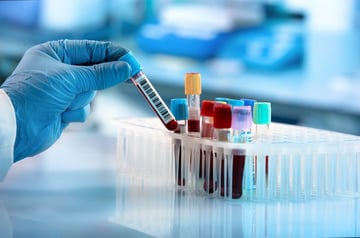
Website Featured_JPG-3239_A row of human blood samples in a medical laboratory ready to be testedPharmacokinetic (PK) and biomarker data are often most valuable when generated through a coordinated analytical strategy. In many cases, PK and biomarker testing can be managed by the same provider, simplifying study execution and creating a more integrated view of drug exposure, biological activity, safety, and efficacy. By supporting both disciplines within a single laboratory network, IQVIA Laboratories can streamline sample management, improve communication across study teams, reduce operational complexity, and deliver more consistent datasets throughout development.


Not every biomarker program requires a custom assay. Existing validated or fit-for-purpose methods may be appropriate when established biomarkers and performance characteristics meet study requirements. However, novel targets, emerging therapeutic modalities, unique sample matrices, or specific sensitivity and selectivity requirements may necessitate custom biomarker assay development. Our scientists evaluate the biological question being asked, biomarker characteristics, PK and biomarker study objectives, and regulatory considerations to determine whether an existing assay can meet your needs or if a customized approach will provide greater confidence in the data.


By bringing PK, biomarker, bioanalytical, immunogenicity, and ADME expertise together under one scientific framework, IQVIA Laboratories helps biopharma teams select the right assays, generate meaningful data, and make informed development decisions with confidence. This consultative approach ensures analytical strategies are tailored to the needs of each program while supporting efficient progression from discovery through commercialization.

HRMS or LC-MS/MS: Determining the Best Fit for Your Analytical Challenge

4527_Custom Photo_Sciex 7500  (Triple Quadrupole Mass Spectrometer)Both HRMS and LC-MS/MS play important roles in modern bioanalysis. LC-MS/MS is often preferred for highly sensitive, targeted quantitation in regulated studies, while HRMS can provide additional molecular insight through accurate mass measurements, metabolite identification, impurity characterization, and non-targeted analysis.


For some applications, HRMS may also improve analytical selectivity by distinguishing compounds with similar masses and reducing potential interferences in complex biological matrices. This capability can be particularly valuable for challenging biomarkers, oligonucleotides, metabolites, and other analytes where greater specificity is needed to confidently characterize or quantify the target of interest.


However, HRMS is not necessary for every biomarker program. The optimal analytical approach depends on factors such as biomarker complexity, required sensitivity, matrix interference, study objectives, and regulatory requirements. In many cases, traditional LC-MS/MS provides the sensitivity, robustness, and throughput needed to support regulated bioanalysis. In others, HRMS may offer additional confidence and insight that can help answer more complex scientific questions.


Our scientists work closely with biopharma teams to evaluate these considerations and determine when the enhanced selectivity and characterization capabilities of HRMS provide meaningful value and when a traditional LC-MS/MS approach is the most efficient path forward. This consultative approach ensures that analytical strategies align with your scientific objectives, development timelines, and regulatory expectation.


We are bioanalytical experts and an extension of your team, guiding the entire drug development journey.

FAQs

What is bioanalysis?

Bioanalysis is the measurement of drugs, metabolites, biomarkers, and biological responses in biological samples to support safety, efficacy, exposure, and mechanism-of-action assessments.

What is bioanalytical testing?

Bioanalytical testing uses analytical methods to quantify therapeutic compounds, biomarkers, metabolites, or immune responses within biological matrices. These data are used to support drug development and regulatory decisions.

How are biologics and large molecule therapeutics tested during development?

Large molecule therapeutics often require analytical approaches that may include ligand binding assays, immunogenicity testing, neutralizing antibody assays, biomarker testing, and LC-MS-based bioanalysis. IQVIA Laboratories supports biologics, peptides, proteins, ADCs, and oligonucleotides through integrated bioanalytical strategies designed to support development goals.

What are bioanalytical assays?

Bioanalytical assays are analytical methods used to measure compounds or biological responses. Common technologies include LC-MS/MS, HRMS, ligand binding assays, immunoassays, and hybrid immunoaffinity-LC-MS approaches.

Can a CRO help determine the right biomarker strategy?

Yes. Biomarker strategies often require alignment between scientific objectives, assay performance, sample availability, and regulatory expectations. IQVIA Laboratories supports fit-for-purpose biomarker strategies across multiple analytical platforms.

What does pharmacokinetic (PK) bioanalysis measure?

PK bioanalysis measures drug concentration and exposure over time in biological samples such as blood, plasma, urine, and tissue. These data help scientists understand how a therapy behaves in the body, support dose optimization, and inform safety, efficacy, and regulatory decisions throughout drug development

What does Absorption, Distribution, Metabolization, and Excretion (ADME) testing evaluate?

ADME testing evaluates how a drug moves through and is processed by the body. By assessing properties such as absorption, metabolism, clearance, protein binding, and drug-drug interaction risk, ADME studies help scientists optimize drug candidates, reduce development risk, and make informed decisions throughout drug discovery and development.

Related Services

card-3211_Scientist wearing safety glasses
ADME / DMPK Services
Learn more
card-3241_Technician holding blood tube test in the research laboratory
Discovery Bioanalysis
Learn more
card-3259_man in laboratory with tablet for medical analysis
Small and Large Molecule LC-MS
Learn more

card-3215_People working at laboratory
Quantitative Assays for Peptides using LC-MS
Learn more
card-3215_People working at laboratory
Biotherapeutic Immunoassay Services
Learn more
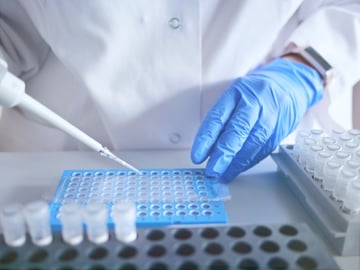
card-3233_Laboratory scientist working at lab with micropipette, and 96 well plate
Immunoassay and Immunogenicity
Learn more
3676_Custom Photo_Laboratory professionals
Bioanalytical Immunoassay Services for Biosimilar Development
Learn more
card-3211_Scientist wearing safety glasses
Validated assays for small molecules and biomarkers
Learn more