
IQVIA Logo
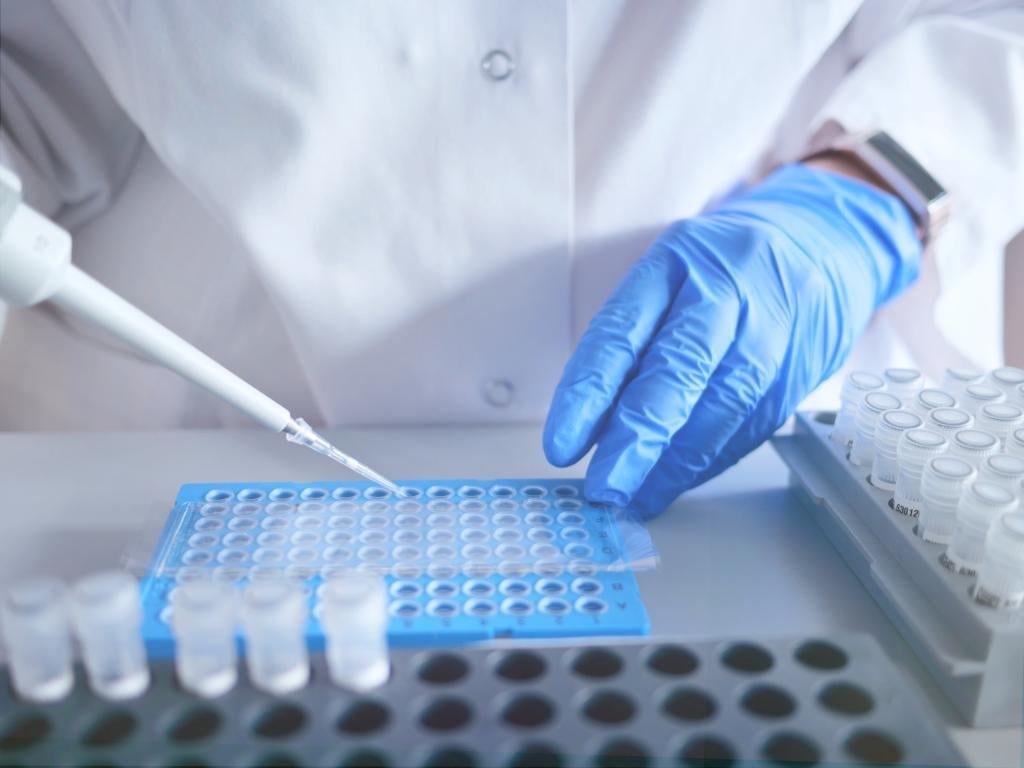
3233_Laboratory scientist working at lab with micropipette, and 96 well plate

ADME & DMPK Drug Discovery Services

Accelerate drug discovery with integrated ADME and DMPK services. Generate high-quality in vitro and in vivo data with access to deep ADME/DMPK expertise to improve candidate selection, reduce development risk and support confident progression through Discovery to IND.

Integrated ADME & DMPK Services for Confident Drug Discovery Decisions

Successful drug discovery depends on making informed decisions early. Understanding how compounds are absorbed, distributed, metabolized and excreted, and how those properties influence pharmacokinetics, efficacy and safety, helps teams identify the most promising candidates while reducing late-stage attrition.

Our integrated ADME (Absorption, Distribution, Metabolism and Excretion) and DMPK (Drug Metabolism and Pharmacokinetics) services generate high-quality data that supports confident progression from hit identification through lead optimization and into preclinical development. By combining scientific expertise with efficient study execution, we deliver the insights needed to understand compound behavior, refine design strategies and accelerate decision-making.

Whether you require rapid screening, mechanistic investigations or comprehensive regulatory support, our scientists work as an extension of your team to generate robust, decision-ready data.

Why ADME and DMPK Matter

Many promising molecules fail because they do not achieve the right balance of potency, metabolic stability, exposure, and safety. Early characterization of ADME properties helps identify these risks before significant investment is made.

Integrated ADME and DMPK studies provide critical answers, including:

  • Will the compound reach its target?
  • Does exposure support efficacy?
  • How rapidly is the compound metabolized?
  • Are active or reactive metabolites formed?
  • Could drug-drug interactions occur?
  • Which structural modifications may improve performance?
  • Does pharmacokinetic behavior support the intended dosing strategy?

Answering these questions early enables more informed compound prioritization, improves candidate quality and supports more efficient progression through discovery.


Website Featured_JPG-3832_Scientist checking sample using microscope

From Prediction to Progression - ADME and DMPK Powering Accelerated Drug Discovery

Accelerate drug discovery programs with an integrated ADME and DMPK strategy from IQVIA Laboratories. As part of an integrated drug discovery team, our ADME and DMPK scientists combine proprietary in silico predictive models (via our proprietary Design and Predict Hub), automated workflows and in vitro ADME screening with medicinal chemistry and primary biology within an AI-enabled Design-Make-Test-Analyze (DMTA) cycle.

By generating early insights into ADME characteristics, candidate developability and pharmacokinetic liabilities, we help project teams identify, prioritize and optimize compounds with the greatest potential for success through iterative 5-day DMTA cycles. In parallel, screening PK studies generate exposure, clearance and disposition data that provide additional context for SAR optimization and support informed compound progression decisions throughout hit-to-lead and lead optimization.

As programs advance, our capabilities evolve from early ADME screening to more comprehensive DMPK investigations, including mechanistic studies, safety assessment, cross-species in vivo pharmacokinetic evaluation, and human dose predictions. Together, these data provide a deeper understanding of compound behavior and support informed progression and development decisions.

Talk to our experts today to discover how integrated ADME and DMPK expertise can help accelerate your program from hit identification through lead optimization.

ADME and DMPK Capabilities

Our scientists provide a comprehensive range of in vitro and in vivo studies that can be delivered individually or as integrated programs tailored to your discovery strategy.

In silico ADME Screening
Early ADME Screening
PK-Enabling and Mechanistic In Vitro ADME Studies
In Vivo DMPK and Pharmacokinetic Studies

In silico ADME Screening

Accelerate compound prioritization with a comprehensive suite of in silico ADME and early safety models designed to support data-driven decision-making throughout hit-to-lead and lead optimization programs.

Whether standalone or Integrated within our AI-enabled Design-Make-Test-Analyze (DMTA) workflow, predictive models enrich SAR understanding by providing early insight into compound developability, helping teams focus experimental resources on candidates with the greatest potential for success.

We offer more than 40 predictive models spanning key ADME, pharmacokinetic and safety endpoints, including metabolic stability, permeability, physicochemical properties, plasma protein binding and hERG liability. Supported by continuous model performance monitoring and expert scientific interpretation, these predictions complement experimental ADME and DMPK data to guide compound design, accelerate optimization, and support confident progression decisions.

Contact us

Early ADME Screening

These assays are typically integrated into rapid DMTA workflows and are used to prioritize compounds, support SAR, and identify developability liabilities early.

  • Solubility
    • Measure aqueous solubility under physiologically relevant conditions to support formulation strategy, improve exposure predictions and ensure ADME and biological assay data can be interpreted with confidence.When combined with permeability and metabolism data, solubility assessments can also support biopharmaceutic classification systems providing valuable insight into oral absorption, drug disposition and developability.
  • Metabolic Stability
    • Assess compound clearance using liver microsomes, hepatocytes and other biological matrices to understand metabolic susceptibility across species.
  • Permeability
    • Evaluate membrane permeability to better understand the potential for oral absorption, volume of distribution and tissue penetration.
Contact us

PK-Enabling and Mechanistic In Vitro ADME Studies

These studies are generally deployed during hit-to-lead, lead optimization, candidate selection, or in support of regulatory activities, when a deeper understanding of compound behavior is required.

  • Plasma Protein Binding and Tissue Binding
    • Determine the unbound fraction of drug available for pharmacological activity and tissue distribution.
  • Blood Partitioning
    • Characterize partitioning between plasma and blood cells to support pharmacokinetic interpretation.
  • Enzyme Interaction Studies
    • Identify potential clinically relevant drug-drug interactions with major drug-metabolizing enzymes through CYP inhibition, CYP induction, reaction phenotyping and UGT studies.
  • Transporter Studies
    • Evaluation of key transporters such as P-gp and BCRP supports candidate selection, CNS penetration assessment, and drug-drug interaction risk evaluation, with additional transporter investigations available to further characterize hepatic and renal disposition pathways as programs advance.
  • Metabolite Identification
    • Identify and characterize metabolites to improve understanding of metabolic pathways, clearance mechanisms and safety assessment.
Contact us

In Vivo DMPK and Pharmacokinetic Studies

These studies provide direct evidence of compound disposition and exposure in preclinical species and are frequently run in parallel with in vitro hit-to-lead and lead optimization activities.

  • In Vivo Pharmacokinetic Studies
    • Characterize compound absorption, distribution, metabolism and excretion in relevant preclinical species, providing critical insights into exposure, clearance, bioavailability and dose selection to support compound progression.
  • Pharmacokinetic/Pharmacodynamic (PK/PD)
    • Evaluate the relationship between compound exposure and biological response, helping define the exposure levels required to achieve efficacy and guide dose selection strategies.
Learn More
5621_Microvascular blood flow

Translational Modeling and Human Prediction

Whether you are progressing a lead candidate toward IND-enabling studies or building the regulatory data package required for clinical development, our ADME and DMPK scientists provide the expertise and data needed to support informed development decisions. Combining mechanistic ADME studies, bioanalysis, in vivo pharmacokinetics, PK/PD, and PBPK modeling, we help sponsors navigate the transition from discovery to the clinic with confidence.

Contact our team to explore how IQVIA Laboratories can support your program from candidate selection through IND and beyond.

Contact us

Therapeutic Modalities We Support

Our ADME and DMPK scientists have experience supporting diverse therapeutic programs including small molecules, peptides, ADCs, antibodies, lipids, oligonucleotides, and protein degraders.

Study strategies are tailored to the specific characteristics and challenges of each modality.

An Integrated Scientific Partnership

Generating data is only one part of successful drug discovery.

Our scientists work collaboratively with clients to interpret results, recommend next steps, and design follow-on studies that maximize scientific value.

By integrating ADME, DMPK and bioanalytical expertise within a single scientific team, we help reduce project complexity, improve communication and deliver the evidence needed to support confident decision-making.

Our goal is not simply to generate data, but to provide the scientific insight that helps you move promising compounds forward with confidence.
Contact us
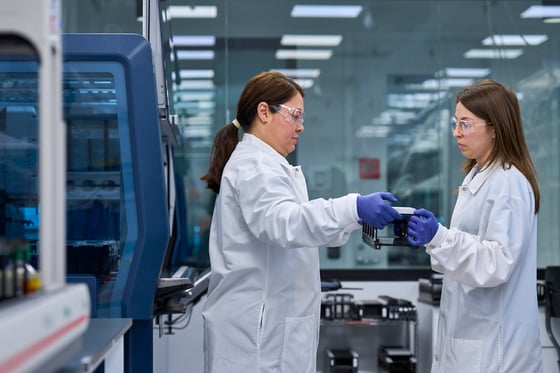
3681_Custom Photo_Laboratory professionals

ADME & DMPK Services Frequently Asked Questions (FAQs)

What is ADME?

ADME stands for Absorption, Distribution, Metabolism and Excretion. ADME studies evaluate how a compound is absorbed into the body, distributed to tissues, metabolized and ultimately eliminated, providing critical information to support drug discovery and development decisions.

What is DMPK?

Drug Metabolism and Pharmacokinetics (DMPK) is the scientific discipline that uses ADME data to understand and predict how a compound behaves in biological systems. DMPK studies help guide compound optimization, candidate selection and progression into development.

How does ADME screening support a 5-day DMTA cycle?

Rapid ADME screening generates critical data on properties such as solubility, metabolic stability and permeability within iterative Design-Make-Test-Analyze (DMTA) cycles. These insights support faster SAR-driven decision-making and enable project teams to optimize compounds more efficiently.

Why are screening PK studies important during drug discovery?

Screening pharmacokinetic studies generate in vivo exposure and disposition data that complement in vitro ADME findings. These studies help build SAR understanding, validate developability hypotheses and support progression decisions throughout hit-to-lead and lead optimization programs.

What is PBPK modeling and how is it used to predict human dose?

Physiologically Based Pharmacokinetic (PBPK) modelling integrates experimental data with physiological parameters to predict human pharmacokinetic behaviour. PBPK models can support translational decision-making, first-in-human planning, dose prediction and clinical development strategies. Human dose predictions combine data from ADME studies, in vivo pharmacokinetics, PK/PD evaluations and PBPK modelling to estimate clinically relevant exposure levels. These approaches support first-in-human planning and help guide development strategy before clinical studies begin.

What is predictive ADME, and how does in silico ADME screening complement experimental ADME studies?

Predictive ADME uses computational and AI-enabled models to forecast key properties such as solubility, permeability, clearance and human pharmacokinetics before laboratory testing.  When combined with experimental ADME data, in silico predictive models strengthen SAR understanding, support compound design decisions and accelerate progression through iterative DMTA cycles.